






































Introduction
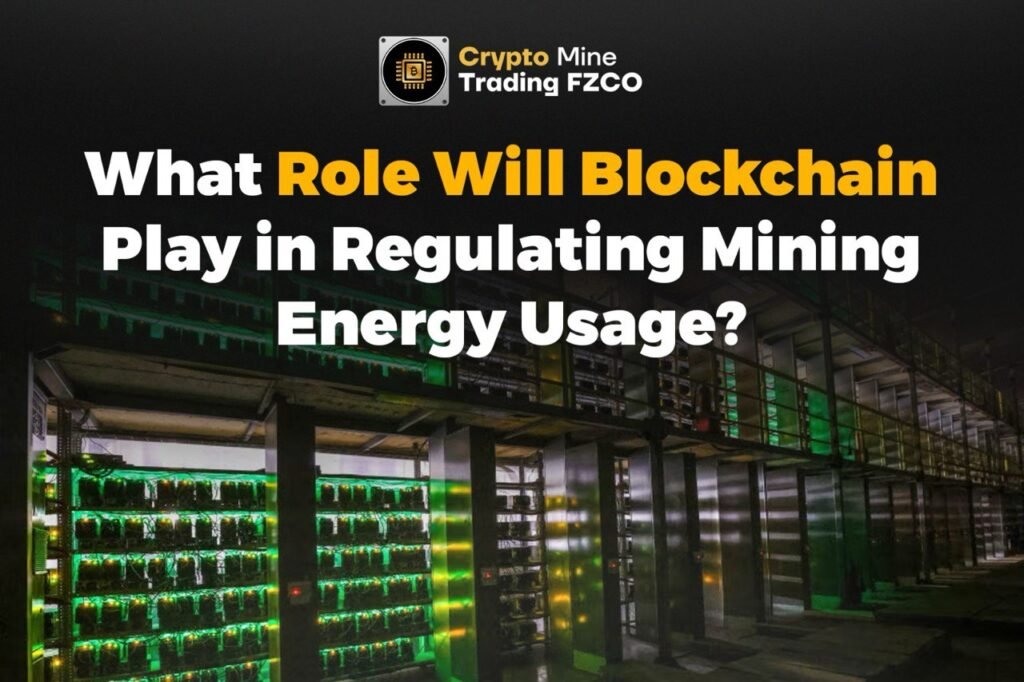
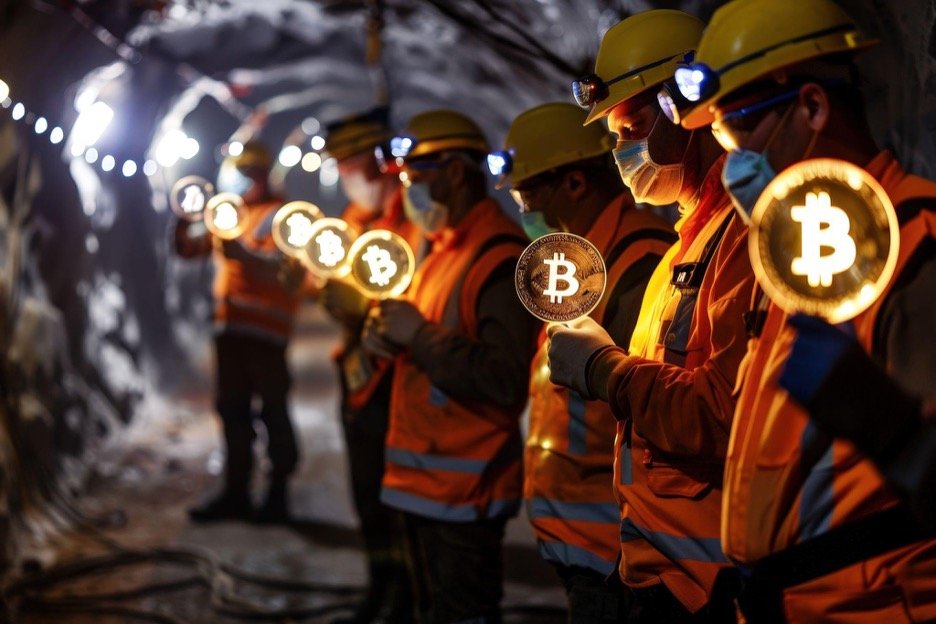
The crypto mining industry has long faced criticism for its heavy energy consumption. From rising electricity costs to environmental concerns, miners are under increasing pressure to adopt more transparent and sustainable practices. But here’s the twist: the same blockchain technology that powers mining may also be the solution to regulating its energy usage.
In this blog, we’ll explore how blockchain is being used to regulate, monitor, and optimize energy consumption in crypto mining and why it could redefine the future of mining sustainability.
Blockchain as a Transparent Energy Ledger
One of blockchain’s greatest strengths is immutability. By using blockchain-based energy tracking systems, every unit of electricity consumed by a mining operation can be recorded transparently.
- This allows regulators, miners, and investors to see exactly how much energy is being used.
- It creates accountability, reducing the chance of underreporting or “greenwashing.”
- In some cases, blockchain-based platforms can certify renewable energy use, giving miners a competitive edge.
Smart Contracts for Energy Efficiency
Smart contracts can automate and enforce energy regulations. For example:
- Dynamic pricing: Electricity costs can automatically adjust depending on demand or sustainability levels.
- Usage caps: Mining operations can be halted if they exceed pre-set energy limits.
- Renewable incentives: Miners who tap into renewable grids can receive blockchain-verified credits.
This not only makes mining more sustainable but also reduces disputes between energy providers and miners.
Tokenizing Energy Consumption
Some projects are exploring energy tokens digital assets that represent specific amounts of electricity generated from renewable sources. Miners can buy these tokens to “prove” their sustainable usage.
- This creates a marketplace for clean energy in the crypto ecosystem.
- Blockchain ensures every token is traceable, verifiable, and fraud-proof.
Enabling Regulatory Oversight
Governments often struggle with regulating mining because of its decentralized nature. Blockchain can simplify oversight:
- Real-time monitoring of mining farm energy consumption.
- Public ledgers to ensure compliance with national energy policies.
- Automatic penalties or shutdowns for miners who don’t follow rules.
For the UAE market, where Crypto Mine Trading FZCO operates (cryptomine.ae), this could align perfectly with the country’s growing emphasis on renewable energy and smart regulation.
Future of Energy-Responsible Mining
As mining becomes more competitive, the future belongs to operations that are not only profitable but also energy responsible. Blockchain-based regulation could:
- Improve investor confidence.
- Help miners integrate seamlessly with renewable power sources.
- Reduce environmental backlash against the industry.
Conclusion
Blockchain’s role in mining goes far beyond transactions and validation. By creating transparent, automated, and tokenized energy systems, it could be the key to making crypto mining both profitable and sustainable. For miners in regions like the UAE, companies such as Crypto Mine Trading FZCO may soon lead the way by adopting blockchain-driven energy accountability in their hosting and mining solutions.