









































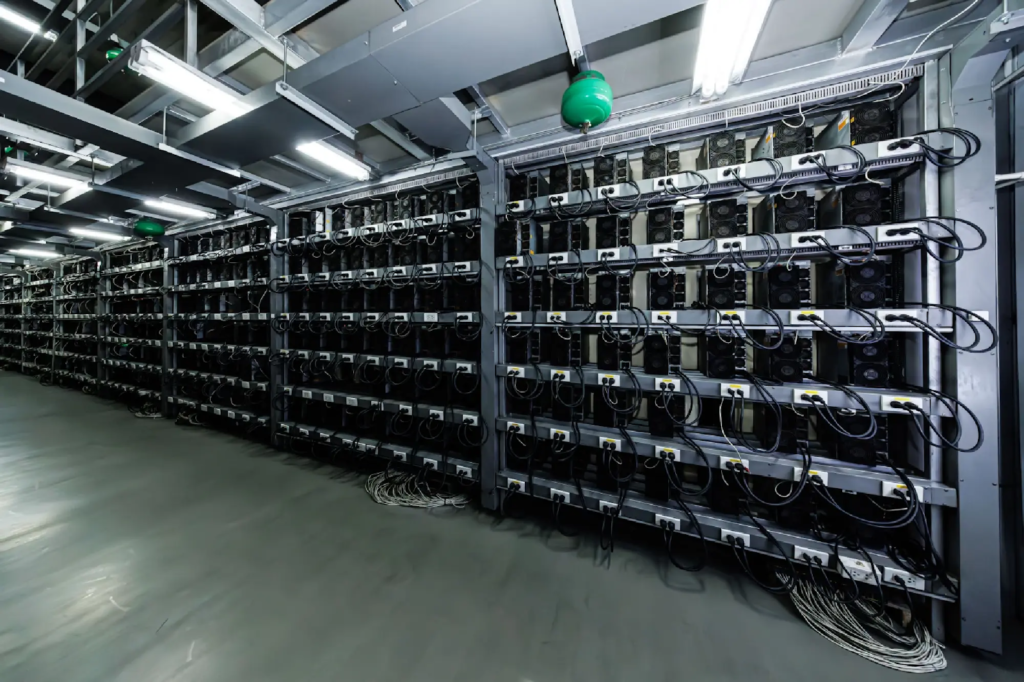
Dubai has quickly emerged as a global hub for digital asset infrastructure. With favorable regulations, advanced logistics, and access to enterprise-grade data facilities, the city offers a strong foundation for cryptocurrency mining operations.
However, scaling a mining farm from 10 machines to 500 units is not simply about adding more hardware. It requires a structured approach to power management, cooling, infrastructure planning, and operational monitoring.
Without the right foundation, scaling too quickly can create instability, inefficiency, and higher operational costs.
Phase 1: The First 10–20 Units Testing the Foundation
The first stage of mining is usually focused on testing hardware performance and operational efficiency.
At this level, miners typically operate within:
- Small warehouse setups
- Dedicated mining rooms
- Limited rack infrastructure
The goal during this phase is to evaluate:
- Machine performance
- Electricity consumption
- Heat generation
- Network stability
This stage also allows operators to understand how Dubai’s climate affects mining performance, particularly heat management.
Many early miners underestimate how quickly heat accumulates when machines run continuously.
Phase 2: 20–100 Units Structured Infrastructure
Once operations expand beyond 20 units, mining farms must begin structuring their infrastructure professionally.
Key upgrades typically include:
Power Distribution Planning
Large-scale mining requires stable electrical systems. Power distribution units, transformers, and circuit protection must be properly engineered to handle the load.
A poorly designed electrical setup can cause:
- Frequent shutdowns
- Equipment damage
- Safety risks
Rack-Based Layout
Instead of placing machines randomly, mining farms begin using structured rack systems to maximize airflow and organization.
Benefits include:
- Easier maintenance
- Better heat flow
- Higher space efficiency
Advanced Cooling
At this stage, farms usually introduce:
- industrial ventilation systems
- directional airflow corridors
- temperature monitoring systems
Dubai’s high temperatures make cooling infrastructure one of the most critical components of scaling.
Phase 3: 100–300 Units Operational Efficiency
When mining farms approach 100+ machines, operations start resembling industrial data facilities rather than small mining setups.
Key operational priorities include:
Centralized Monitoring
Professional farms use monitoring software to track:
- machine performance
- temperature levels
- hash rate output
- power consumption
This allows operators to detect issues before they affect profitability.
Dedicated Maintenance Protocols
With hundreds of machines running continuously, hardware maintenance becomes essential.
Structured farms implement:
- scheduled cleaning cycles
- fan inspections
- firmware updates
- component replacement planning
Preventive maintenance dramatically reduces downtime.
Phase 4: 300–500 Units Industrial Mining Operations
At this level, mining farms operate like large-scale infrastructure projects.
Key structural components include:
Industrial Cooling Solutions
Traditional air cooling may no longer be sufficient.
Many large farms introduce:
- hydro-cooling systems
- liquid cooling racks
- immersion cooling infrastructure
These solutions help maintain stable performance despite Dubai’s climate.
Network Optimization
High-density mining requires robust network infrastructure.
Professional farms deploy:
- redundant internet connections
- load balancing systems
- mining pool optimization
This ensures continuous connectivity and stable hash rate output.
Energy Efficiency Strategy
Electricity becomes the largest operational expense when scaling to hundreds of units.
Efficient farms implement:
- optimized machine placement
- power efficiency monitoring
- energy load balancing
Even small improvements in efficiency can significantly impact long-term profitability.
Location Strategy for Large Mining Farms in Dubai
Choosing the right location plays a crucial role in mining farm success.
Large farms often operate in:
- industrial zones
- data center facilities
- specialized mining hosting environments
These locations provide:
- better power infrastructure
- improved cooling capabilities
- stable operational environments
Infrastructure readiness becomes more important than simply finding cheap space.
Hardware Consistency Matters at Scale
When scaling toward 500 machines, hardware consistency becomes extremely important.
Using mixed equipment with different power requirements and performance levels can create operational complications.
Professional mining farms usually standardize hardware models to ensure:
- predictable power consumption
- consistent hash rate output
- easier maintenance
This simplifies large-scale operations significantly.
Risk Management for Large Mining Farms
Scaling also increases operational risks.
Key areas that require planning include:
- power outages
- overheating systems
- network interruptions
- hardware failures
Structured farms implement redundancy systems and monitoring tools to ensure stability.
Mining profitability depends heavily on continuous uptime.
The Importance of Strategic Scaling
Scaling a mining farm from 10 units to 500 units is not just an expansion in hardware — it is a transformation into an industrial-grade digital infrastructure operation.
The most successful mining farms in Dubai focus on:
- structured infrastructure
- optimized cooling systems
- reliable power management
- long-term operational efficiency
With proper planning, large-scale mining farms can operate reliably and efficiently within the UAE’s rapidly growing digital asset ecosystem.