





































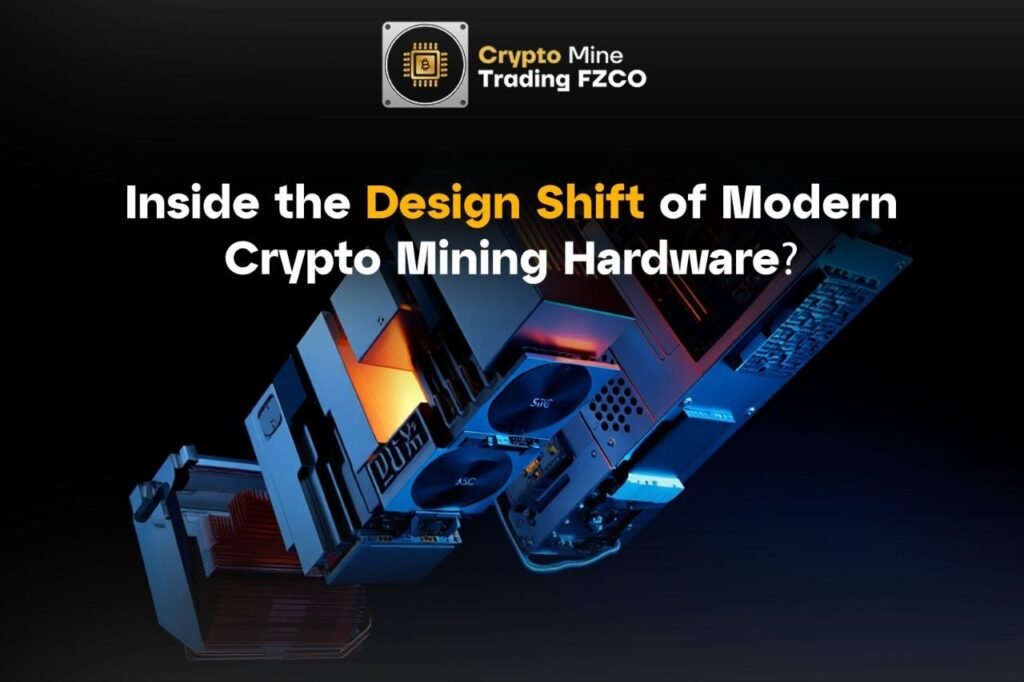
Crypto mining hardware in 2026 looks very different from what it was just a few years ago. The industry has moved beyond chasing raw power and into a phase where efficiency, stability, and system-level design define success.
This shift is not accidental it’s driven by tighter margins, higher mining difficulty, and the need for long-term performance. Here’s what has fundamentally changed in modern mining hardware design.
From Peak Power to Sustained Performance
Earlier ASIC machines were built to deliver the highest possible hashrate, often at the cost of efficiency and stability.
Modern hardware flips that approach:
- Focus on consistent output over time
- Reduce performance drops under continuous load
- Maintain stable operation across long cycles
The goal is no longer short bursts of power it’s reliable 24/7 mining performance.
Efficiency Is Now the Core Design Metric
Efficiency (J/TH or J/MH) has become the most important benchmark.
Why this shift matters:
- Energy cost is the largest expense in mining
- Lower efficiency machines become unprofitable faster
- High-efficiency designs extend hardware lifespan
Modern ASICs are engineered to maximize output per watt, not just total output.
Advanced Chip Architecture
At the core of this evolution is chip design.
New-generation ASIC chips feature:
- Smaller fabrication processes
- Better power distribution
- Improved thermal behavior
These upgrades allow machines to run faster, cooler, and more efficiently at the same time.
The result is not just higher performance but more predictable and stable performance.
Cooling Is Now a Design Priority
Cooling has shifted from an accessory to a core engineering focus.
Modern hardware integrates:
- Optimized airflow channels
- Advanced heatsink structures
- Compatibility with hydro and immersion systems
Why this matters:
- Heat directly impacts efficiency
- Thermal stress reduces hardware life
- Poor cooling leads to downtime
Better cooling design ensures machines can operate at full capacity without throttling.
Built for Data Center Environments
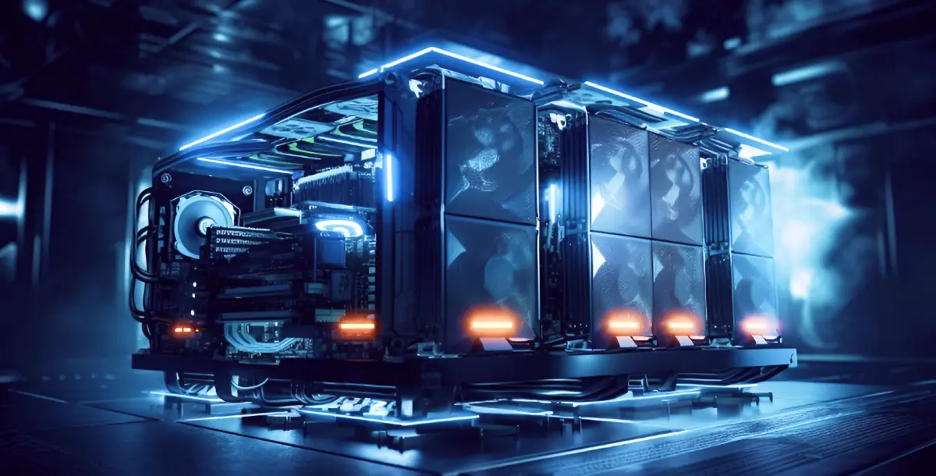
Mining has scaled from small setups to industrial data centers.
Modern hardware is designed for:
- High-density rack installations
- Standardized power and networking
- Efficient cable and airflow management
This allows operators to:
- Deploy thousands of units
- Optimize space and energy usage
- Maintain centralized control
Hardware today is not standalone it’s part of a larger infrastructure system.
Smarter Power Delivery Systems
Power design has also evolved significantly.
New ASIC machines include:
- Stable voltage regulation
- Reduced energy loss
- Improved load balancing
This ensures that machines maintain consistent efficiency under heavy workloads, which is critical for long-term mining.
Firmware and Monitoring Integration
Software now plays a major role in hardware performance.
Modern systems include:
- Real-time performance monitoring
- Automatic error detection
- Remote management capabilities
This enables:
- Faster issue resolution
- Reduced downtime
- Better control over large mining fleets
Mining hardware is no longer just physical it’s hardware + software combined.
Noise and Deployment Flexibility
Older machines were extremely loud and limited in where they could operate.
Modern designs aim for:
- Improved fan efficiency
- Lower noise levels
- Better airflow control
This opens up more flexible deployment options, including controlled indoor environments.
Longevity as a Design Goal
Perhaps the biggest shift is the focus on lifespan.
Modern ASICs are built to:
- Maintain efficiency over time
- Handle continuous operation without degradation
- Deliver stable performance for years
In a market where difficulty increases constantly, longevity equals profitability.
System-Level Thinking Defines the Future
Today’s mining hardware is no longer designed in isolation.
It’s built to integrate with:
- Cooling infrastructure
- Power systems
- Monitoring platforms
The focus is on creating complete, optimized mining systems, not just powerful machines.
Final Verdict
The design shift in modern crypto mining hardware comes down to one principle:
Performance over time matters more than peak performance.
In 2026, the best mining machines are defined by:
- High efficiency per watt
- Strong thermal design
- Stable 24/7 uptime
- Data center compatibility
- Long-term reliability
The industry has moved from power-focused hardware to efficiency-driven systems.
Miners who understand this shift and build their setups around it are the ones who stay profitable in the long run.