






































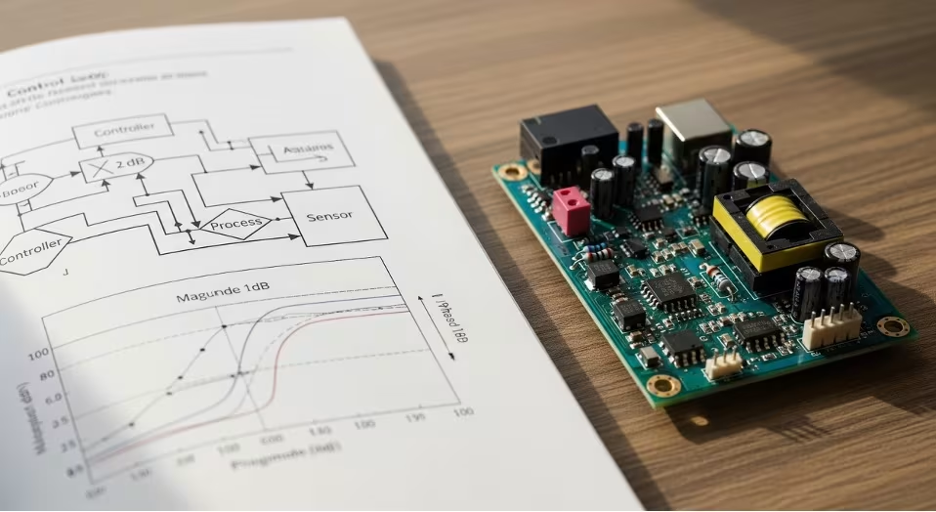
Most miners obsess over hashrate and efficiency ratings. Very few look at the component that actually delivers that performance every second:
The power supply.
In ASIC mining, power supply design is not a background detail, it’s a core performance factor. It directly affects efficiency, stability, uptime, and long-term ROI.
Ignore it, and even the best hardware will underperform.
The Role of Power Supply in ASIC Mining
An ASIC miner doesn’t run on raw electricity. It runs on regulated, stable power.
The power supply unit (PSU) is responsible for:
- Converting AC to DC
- Maintaining stable voltage
- Distributing power evenly across chips
If this process isn’t optimized, everything else suffers.
1. Efficiency Starts at the Power Supply
When people talk about efficiency (J/TH or J/MH), they usually focus on the miner.
But power loss begins at the PSU.
Poor PSU design causes:
- Energy loss during conversion
- Higher electricity consumption
- Reduced overall system efficiency
Strong PSU design:
- Minimizes energy waste
- Maintains stable output
- Supports consistent performance
A weak PSU can quietly increase your cost per hash.
2. Voltage Stability = Performance Stability
ASIC chips require precise voltage levels.
Even small fluctuations can:
- Reduce hashrate
- Cause instability
- Increase error rates
What happens in unstable systems:
- Performance inconsistency
- Random shutdowns
- Long-term hardware stress
A well-designed PSU ensures:
- Smooth, stable voltage
- Reliable 24/7 operation
3. Heat Generation Starts at the Power Source
Power inefficiency creates heat and heat reduces performance.
Poor PSU:
- Generates excess heat
- Increases cooling demand
- Reduces overall system efficiency
Optimized PSU:
- Runs cooler
- Reduces thermal load
- Improves long-term stability
This directly impacts both cooling cost and hardware lifespan.
4. Load Distribution Across Chips
ASIC miners have multiple chips working simultaneously.
Power must be distributed evenly.
Poor distribution leads to:
- Uneven chip performance
- Localized overheating
- Reduced efficiency
Good PSU design:
- Balances load across chips
- Maintains uniform performance
- Prevents stress points
5. Impact on Uptime and Downtime
Unstable power is one of the biggest causes of downtime.
Weak PSU systems:
- Trip under load
- Fail during power spikes
- Cause unexpected shutdowns
Strong PSU systems:
- Handle load variations
- Maintain continuous operation
- Reduce downtime risk
Uptime is revenue. PSU stability protects it.
6. Long-Term Hardware Protection
ASIC machines run under heavy load 24/7.
Over time, poor power quality causes:
- Component wear
- Reduced lifespan
- Increased failure rates
A high-quality PSU:
- Protects internal components
- Reduces stress on chips
- Extends hardware life
7. Why It’s Often Ignored
Most miners overlook PSU design because:
- It’s not highlighted in marketing
- Specs focus on hashrate and efficiency
- It’s seen as a secondary component
But in reality:
The PSU determines how well those specs are actually delivered.
8. Real Impact on ROI
Power supply design affects:
- Electricity cost
- Performance consistency
- Downtime
- Maintenance
- Hardware lifespan
All of these directly impact ROI.
A miner with:
- Slightly better PSU design
can outperform - A higher-spec machine with poor power delivery
What Smart Miners Do
They don’t treat the PSU as optional they treat it as critical.
Their approach:
- Use high-quality, compatible power supplies
- Ensure proper load handling
- Maintain stable electrical infrastructure
- Monitor power performance over time
They understand that clean power = stable profit.
Final Verdict
In ASIC mining, performance doesn’t start at the chip it starts at the power supply.
A strong PSU ensures:
- Better efficiency
- Stable hashrate
- Lower heat
- Maximum uptime
- Longer hardware life
In 2026, the difference between profitable and unstable mining setups often comes down to one overlooked factor:
How well your machine is powered.