






































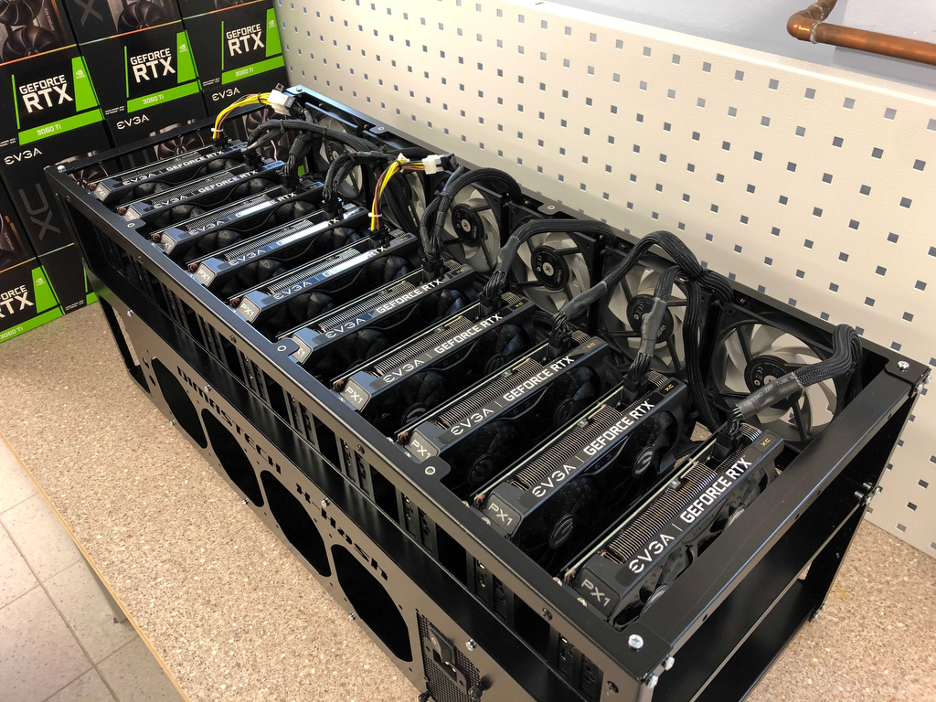
Most miners focus on hashrate and power consumption. Very few pay attention to what actually keeps those numbers stable:
Airflow and air pressure design.
In ASIC mining, cooling isn’t just about adding more fans. It’s about how air moves through your system. Poor airflow design can quietly reduce efficiency, increase power consumption, and shorten hardware lifespan.
Why Airflow Matters More Than You Think
ASIC miners generate constant heat under 24/7 load.
If that heat is not removed efficiently:
- Chips run hotter
- Power usage increases
- Performance becomes unstable
👉 Cooling isn’t optional it directly defines efficiency.
Airflow vs Air Pressure What’s the Difference
Airflow
- The movement of air through the machine
- Measured by how effectively hot air is removed
Air Pressure
- The force that pushes air through components
- Determines whether air actually reaches critical areas
You need both:
- Strong airflow to remove heat
- Proper pressure to push air through tight spaces
1. Poor Airflow = Heat Trapped Inside
If airflow is weak or misdirected:
- Hot air circulates inside the machine
- Cooling becomes inefficient
- Internal temperature rises
This leads to:
- Reduced efficiency
- Increased fan load
- Faster hardware wear
2. Incorrect Air Pressure Disrupts Cooling
Air pressure imbalance is a common issue.
Low pressure:
- Air doesn’t reach deeper components
- Heat builds up in hotspots
High but uncontrolled pressure:
- Air bypasses critical areas
- Cooling becomes uneven
👉 Balanced pressure ensures uniform cooling across all chips.
3. Hotspots Are the Real Problem
Even if overall temperature seems fine, poor airflow creates localized hotspots.
These hotspots:
- Reduce chip performance
- Increase error rates
- Cause efficiency drops over time
Proper airflow design eliminates these uneven zones.
4. Fan Power vs Airflow Design
Many miners try to fix cooling issues by increasing fan speed.
This creates new problems:
- Higher electricity consumption
- More noise
- Faster fan wear
Better airflow design means:
👉 Less reliance on extreme fan speed
👉 More efficient cooling with lower power use
5. Directional Airflow Is Critical
Air must move in a clear, controlled path.
Best practice:
- Cool air intake from one side
- Hot air exhaust from the other
Poor setups mix intake and exhaust, causing:
- Heat recirculation
- Reduced cooling efficiency
6. External Setup Design Matters Too
Airflow doesn’t stop at the machine; it includes the entire environment.
Key factors:
- Room ventilation
- Rack placement
- Spacing between machines
- Exhaust management
Even the best ASIC will underperform in a poorly designed environment.
7. Impact on Long-Term Efficiency
Poor airflow doesn’t just affect today’s performance it compounds over time.
Results include:
- Gradual efficiency loss
- Increased power consumption
- Higher maintenance costs
- Reduced hardware lifespan
👉 Small airflow issues become major ROI problems.
8. What Optimized Airflow Looks Like
A properly designed system includes:
- Consistent air intake
- Controlled exhaust paths
- Balanced pressure distribution
- Minimal airflow obstruction
This leads to:
- Stable temperatures
- Consistent hashrate
- Better energy efficiency
What Smart Miners Do Differently
They treat airflow as a system design problem, not a fan upgrade.
Their approach:
- Plan airflow direction before setup
- Maintain clean intake paths
- Monitor temperature distribution
- Optimize environment, not just machines
Final Verdict
In ASIC mining, performance isn’t just about hardware it’s about how well that hardware is cooled.
Airflow and air pressure design directly impact:
- Efficiency
- Stability
- Power consumption
- Long-term ROI
Ignore it, and your machines slowly lose performance. Optimize it, and you unlock consistent, long-term profitability.
Closing Insight
Mining success in 2026 is no longer about running machines it’s about running optimized systems. And airflow is one of the most underestimated parts of that system.