








































Introduction
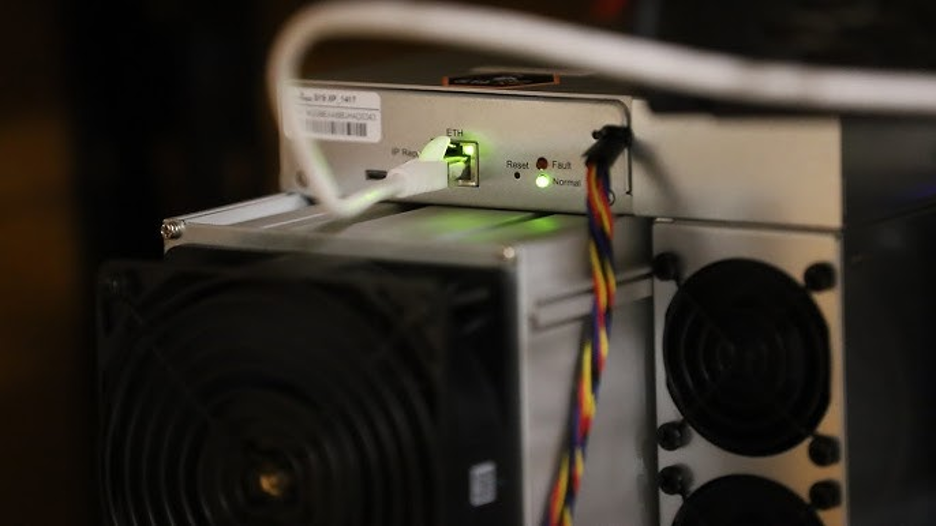
Setting up a mining machine correctly is one of the most important factors in achieving stable long-term performance. Many users focus only on turning the machine on and starting operations, but real efficiency comes from how the entire setup is managed. The L9 16G is designed for strong and continuous mining performance, but like any professional mining system, it performs best when the environment, configuration, and operational conditions are properly optimized.
Choose the Right Location
The first step in setting up the L9 16G is selecting the right operating environment. Mining hardware performs better in spaces with stable airflow, low humidity, and controlled temperature conditions. Poor ventilation can increase heat buildup, reduce efficiency, and create unnecessary stress on the machine over time.
A stable environment supports stable mining performance.
The setup area should allow continuous airflow around the miner so heat can move away efficiently during operation.
Ensure Stable Power Supply
Power consistency is critical for mining stability. The L9 16G requires a reliable electrical setup capable of handling continuous operational load. Unstable power sources can lead to interruptions, reduced performance, or hardware stress.
Using a stable power system improves operational reliability and reduces unexpected downtime.
Before startup, always confirm that power connections are secure and capable of supporting long-term usage safely.
Focus on Cooling and Airflow
Cooling directly impacts efficiency. Mining systems generate significant heat during continuous operation, so airflow management becomes essential. Keep enough space around the unit for proper ventilation and avoid placing it in enclosed or poorly ventilated areas.
Better cooling helps maintain stable operating conditions and improves long-term efficiency.
Dust management is also important because buildup can reduce airflow and affect internal cooling performance over time.
Configure the Miner Correctly
Once the hardware is connected, proper configuration becomes the next priority. Ensure the miner is connected to a stable internet connection and confirm all setup details are entered correctly before starting operations.
A stable network connection helps maintain uninterrupted mining activity and prevents unnecessary interruptions.
Avoid making unnecessary changes once the system is operating smoothly. Stability is often more important than constant adjustment.
Monitor Performance Consistently
After setup, performance monitoring becomes part of maintaining efficiency. This does not mean checking the system every few minutes. Instead, it means reviewing operational behavior regularly to ensure temperatures, airflow, and system activity remain stable.
Consistent monitoring helps identify issues early before they affect long-term performance.
Avoid Aggressive Operating Conditions
Many users try to push mining hardware too aggressively in search of maximum short-term output. While this may seem beneficial initially, excessive operational pressure can reduce long-term stability and increase hardware stress.
Balanced operating conditions usually create better long-term reliability than aggressive performance chasing.
Maintain a Clean Operating Environment
Dust and heat are two major factors that affect mining equipment over time. Keeping the environment clean improves airflow and reduces the chance of overheating issues.
Routine cleaning and environmental maintenance help preserve operational efficiency and hardware lifespan.
Stability Matters More Than Short-Term Peaks
A common mistake is focusing too heavily on temporary performance spikes instead of consistent operation. Mining systems perform best when they maintain stable conditions continuously over long periods.
Reliable performance is built through consistency, not constant adjustment.
Final Thoughts
The L9 16G is designed for strong mining performance, but achieving maximum efficiency depends on how the setup is managed. Proper airflow, stable power, balanced operating conditions, and consistent monitoring all contribute to long-term stability and better overall results.
A well-optimized setup does more than improve efficiency. It reduces stress on the system, improves reliability, and creates a smoother mining experience over time.