






































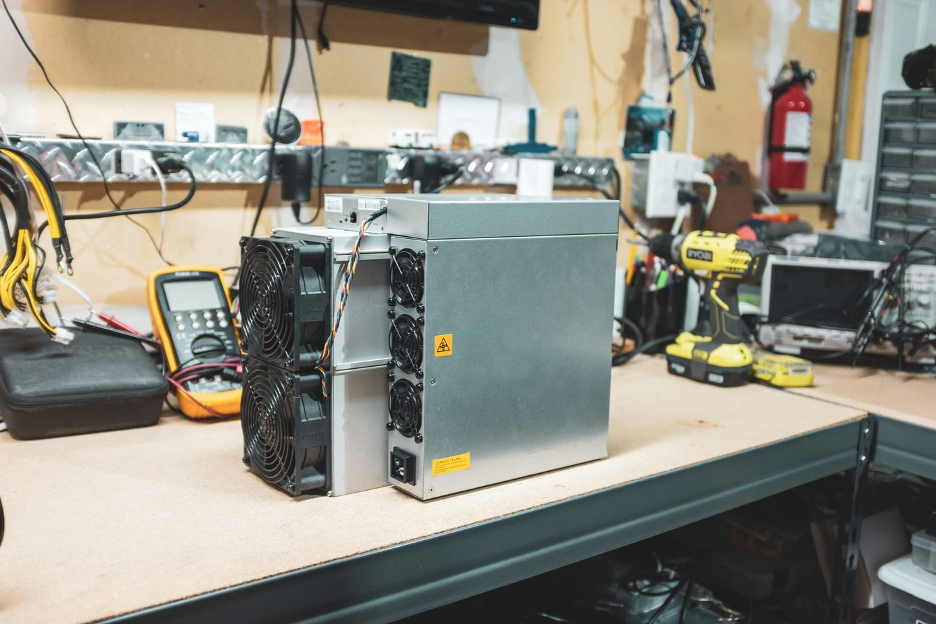
Industrial Bitcoin mining is changing rapidly. Mining farms are no longer focused only on increasing hashrate. In 2026, the industry is prioritizing:
- Higher efficiency
- Better thermal stability
- Lower operational waste
- Long-term infrastructure performance
This shift is one of the biggest reasons industrial operators are upgrading to the S21 Series.
The S21 lineup represents more than just another ASIC release.
It reflects the direction modern mining is moving toward:
Efficiency-driven infrastructure.
The New Priorities in Industrial Mining
A few years ago, mining success depended heavily on:
- Maximum output
- Rapid expansion
- Raw processing power
Today, profitability is increasingly shaped by:
- Power efficiency
- Cooling management
- Operational consistency
- Infrastructure scalability
Industrial farms now understand that uncontrolled operational cost destroys long-term ROI faster than limited hashrate.
This is where the S21 Series stands out.
Why the S21 Series Is Getting Attention
The S21 Series was designed with:
- Improved efficiency
- Reduced energy waste
- Better thermal handling
- Long-duration operational stability
Compared to older-generation ASICs, the S21 focuses heavily on sustaining performance under continuous industrial load.
For large-scale operations, this matters more than peak benchmark numbers.
Efficiency Is Now the Main Competitive Advantage
Mining margins have become tighter.
Electricity pricing, infrastructure cost, and cooling requirements now impact profitability significantly.
Even small efficiency improvements create:
- Lower operating cost
- Better long-term margins
- Higher scalability potential
The S21 Series delivers stronger energy optimization than many previous-generation Bitcoin miners, making it attractive for industrial operators focused on operational efficiency. (bitmain.com)
Why Large Farms Care About Thermal Stability
Thermal management has become one of the biggest challenges in modern mining farms.
High-density operations generate:
- Massive heat concentration
- Airflow imbalance
- Increased cooling pressure
Poor thermal control causes:
- Efficiency decline
- Hardware stress
- Reduced uptime
The S21 Series is designed for better thermal consistency during continuous operation, helping mining farms maintain stable output under heavy workloads. (bitmain.com)
Continuous Operation Changes Everything
Industrial ASICs operate:
- 24 hours a day
- 7 days a week
- Under nonstop processing load
This creates continuous pressure on:
- ASIC chips
- Cooling systems
- Power infrastructure
Machines that perform well only during short benchmarks are not enough for industrial mining anymore.
The S21 Series is gaining adoption because it is optimized for long-duration stability rather than temporary peak performance.
Infrastructure Efficiency Is More Important Than Hardware Count
Large mining farms are realizing something important:
Adding more machines does not always increase profitability.
Without proper efficiency:
- Cooling cost rises
- Power instability increases
- Operational complexity grows
This is why many farms are replacing older fleets with fewer, more efficient machines like the S21 Series.
The goal is no longer maximum machine count.
It is maximum efficiency per watt and per square meter.
Why Older ASIC Fleets Are Becoming Expensive
Older mining hardware often creates:
- Higher power consumption
- Increased thermal output
- Greater maintenance requirements
Over time:
- Operating cost rises
- Efficiency declines
- Infrastructure pressure increases
Industrial farms upgrading to S21 hardware are often trying to reduce these long-term operational inefficiencies.
The Shift Toward Professional Mining Infrastructure
Modern mining farms increasingly resemble:
- Data centers
- High-density compute environments
- Engineered infrastructure systems
This means operators prioritize:
- Predictable thermal behavior
- Stable power draw
- Controlled airflow
- Infrastructure compatibility
The S21 Series aligns with this trend because of its focus on operational consistency and energy optimization.
Why Stability Matters More Than Short-Term Revenue
Short-term profitability spikes can be misleading.
Professional operators focus on:
- Long-term uptime
- Stable efficiency
- Infrastructure sustainability
- Reduced operational risk
The S21 Series is attractive because it supports these goals under industrial-scale conditions.
Cooling and Power Strategy Are Now Linked
As ASIC efficiency improves, farms are redesigning:
- Rack layouts
- Cooling systems
- Power distribution models
The S21 Series works best when integrated into:
- Optimized airflow environments
- Stable electrical systems
- Controlled cooling infrastructure
This makes the hardware part of a larger operational strategy rather than an isolated machine purchase.
What Industrial Mining Farms Actually Want
Large operators now prioritize:
- Stable long-term efficiency
- Predictable operational cost
- Lower thermal stress
- Reduced downtime
- Infrastructure scalability
The S21 Series addresses these needs more effectively than many older-generation ASIC miners.
Final Verdict
Industrial mining farms are upgrading to the S21 Series because mining profitability is no longer driven by raw hashrate alone.
The modern mining industry rewards:
- Efficiency
- Stability
- Thermal optimization
- Infrastructure intelligence
The S21 Series fits this new reality by offering:
- Better energy management
- Strong operational consistency
- Improved long-term sustainability
In 2026, the most profitable mining farms are not the ones with the most machines.
They are the ones running the most efficient systems.