






































Many mining operators focus heavily on electricity pricing when calculating mining profitability. But one of the most overlooked factors in modern mining is how cooling efficiency directly affects total electricity consumption. In 2026, cooling systems are no longer just support infrastructure. They are a major part of operational economics. Poor thermal management silently increases power usage, reduces efficiency, and weakens long-term mining profitability.
Professional mining farms increasingly understand that cooling and electricity costs are deeply connected. The way heat is managed inside a mining environment can significantly influence operational performance and energy efficiency over time.
Why Heat Management Impacts Electricity Usage
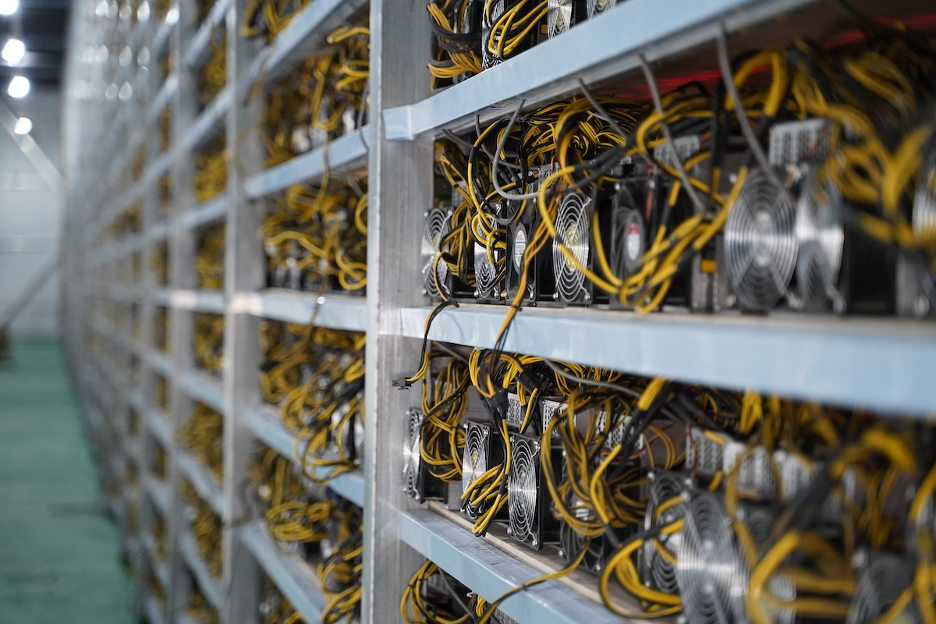
Modern ASIC miners generate massive amounts of heat under continuous industrial load. As mining density increases, thermal pressure inside facilities rises rapidly.
When cooling systems become inefficient, mining farms often experience:
- Higher equipment temperatures
- Reduced airflow efficiency
- Rising fan speeds
- Increased energy demand
- Lower operational stability
This creates additional electricity consumption across both mining hardware and cooling infrastructure.
The more difficult it becomes to control heat, the more energy the operation consumes.
Cooling Inefficiency Creates Double Energy Loss
One of the biggest hidden operational problems in mining is that poor cooling creates two separate forms of electricity waste.
First, ASIC hardware consumes more energy while operating under thermal stress. Second, cooling systems require additional power to compensate for unstable environmental conditions.
This means mining farms often lose efficiency through:
- Increased hardware power draw
- Higher cooling system demand
Together, these factors significantly raise operational electricity costs.
Why Overheating Reduces ASIC Efficiency
ASIC miners are designed to perform best within stable thermal ranges. Excessive heat forces systems to work harder to maintain operational output.
Poor thermal environments can lead to:
- Thermal throttling
- Reduced efficiency retention
- Higher operational strain
- Greater hardware stress
As temperatures rise, mining systems often consume more electricity while producing less effective performance.
This hidden efficiency loss quietly reduces mining profitability over time.
Airflow Design Directly Affects Power Consumption
Cooling is not simply about lowering temperatures. Airflow structure plays a major role in operational efficiency.
Poor airflow systems create:
- Heat recirculation
- Thermal hotspots
- Uneven cooling zones
- Excessive cooling pressure
When airflow becomes unbalanced, cooling systems must work harder to stabilize environmental conditions, increasing electricity usage across the facility.
Professional mining farms carefully engineer airflow paths because stable heat movement improves energy efficiency.
Why Fan Systems Increase Operational Costs
Many ASIC miners rely heavily on high-speed cooling fans to manage thermal load. When environmental temperatures rise, fan systems automatically increase activity.
This creates:
- Higher power consumption
- Increased hardware wear
- Greater operational noise
- Additional infrastructure stress
Mining environments with unstable thermal conditions often force fan systems into continuous high-load operation, which increases long-term electricity costs.
Controlled cooling environments help reduce unnecessary fan pressure.
Cooling Infrastructure Has Become a Financial Strategy
Earlier mining operations often viewed cooling as secondary infrastructure. Modern mining farms now treat cooling optimization as a direct profitability strategy.
Professional operations invest heavily in:
- Structured airflow engineering
- Hydro cooling systems
- Environmental automation
- Thermal zoning
- Precision cooling architecture
because cooling efficiency now directly affects:
- Power consumption
- Hardware stability
- Uptime consistency
- Long-term ROI
Cooling has become part of operational economics rather than simple environmental support.
Why High-Density Mining Farms Face Bigger Energy Challenges
As mining facilities expand, heat concentration increases rapidly. Large-scale ASIC deployments generate enormous thermal pressure inside confined environments.
Without advanced cooling systems, mining farms face:
- Rising energy waste
- Cooling overload
- Infrastructure strain
- Reduced efficiency retention
This is why industrial mining farms increasingly resemble enterprise data centers built around thermal engineering.
Professional operators understand that scaling hardware without scaling cooling infrastructure often increases operational inefficiency.
Environmental Stability Reduces Power Waste
Controlled mining environments help reduce unnecessary electricity consumption.
Stable facilities maintain:
- Balanced temperatures
- Predictable airflow
- Reduced thermal fluctuation
- Lower cooling pressure
These conditions help ASIC miners operate more efficiently while reducing the workload placed on cooling infrastructure.
Environmental consistency has become a major factor in energy optimization.
Why Cooling Efficiency Improves Long-Term Profitability
Electricity is one of the largest operational costs in mining. Even small improvements in cooling efficiency can create significant long-term financial impact.
Efficient cooling systems help:
- Reduce wasted energy
- Improve ASIC stability
- Lower operational strain
- Protect hardware lifespan
- Maintain stronger uptime
These benefits compound over long operational cycles, improving overall mining sustainability.
The Shift Toward Smarter Cooling Systems
Modern mining farms increasingly adopt advanced cooling technologies such as:
- Hydro cooling
- Immersion systems
- Smart thermal monitoring
- AI-driven environmental management
- Automated airflow optimization
These technologies improve cooling precision while reducing unnecessary power usage.
As mining competition grows, cooling intelligence will become even more important for profitability.
Mining Efficiency Is Becoming Infrastructure-Driven
The mining industry is shifting away from simple hardware-focused thinking toward infrastructure optimization.
Professional operations now prioritize:
- Thermal engineering
- Environmental consistency
- Energy-efficient cooling
- Infrastructure intelligence
- Operational balance
because electricity efficiency depends heavily on how effectively heat is controlled.
The strongest mining farms increasingly compete through operational efficiency rather than hardware quantity alone.
Why Small Cooling Problems Become Large Financial Losses
Tiny cooling inefficiencies repeated continuously across large-scale mining environments create major electricity waste over time.
Even small issues such as:
- Slight airflow restriction
- Poor rack spacing
- Heat recirculation
- Cooling imbalance
can gradually increase operational costs across hundreds of machines.
Professional mining farms continuously optimize cooling systems because hidden energy waste compounds rapidly at scale.
The Future of Cooling and Energy Efficiency
Future mining facilities will likely focus heavily on:
- AI-powered thermal optimization
- Sustainable cooling systems
- Intelligent energy management
- Precision environmental monitoring
- Advanced infrastructure automation
As mining margins tighten, cooling efficiency will continue becoming one of the industry’s strongest competitive advantages.
Final Verdict
The hidden relationship between cooling and electricity costs is becoming one of the most important factors in modern mining profitability. Poor thermal management increases energy waste, reduces ASIC efficiency, and creates higher operational strain across mining environments. Professional mining farms now treat cooling optimization as a core financial strategy because efficient thermal control directly improves power efficiency, uptime stability, and long-term ROI. In 2026, mining success increasingly depends on how intelligently heat and energy are managed together.