






































For years, the mining industry was largely driven by hardware. Operators who acquired faster, more efficient ASIC miners often gained a significant advantage over competitors. The latest generation of machines could dramatically improve performance, increase mining output, and strengthen profitability. While hardware remains an important part of any mining operation, the industry has evolved. Today, mining hardware alone is no longer enough to create a sustainable competitive advantage.
As industrial mining becomes more sophisticated, operators are discovering that infrastructure, cooling systems, uptime management, energy efficiency, and operational discipline have become equally important. The gap between successful mining farms and struggling operations is increasingly determined by how well hardware is supported rather than by hardware specifications alone.
Hardware Has Become More Accessible
One reason hardware alone no longer guarantees a competitive advantage is that advanced mining equipment is more widely available than ever before.
Many mining operators now have access to:
- High-performance ASIC miners
- Modern mining technologies
- Efficient processing systems
- Similar hardware generations
As access to technology becomes more widespread, simply owning the latest machines is no longer enough to stand out.
Competitive advantage now comes from how effectively that hardware is deployed and managed.
Infrastructure Determines Hardware Performance
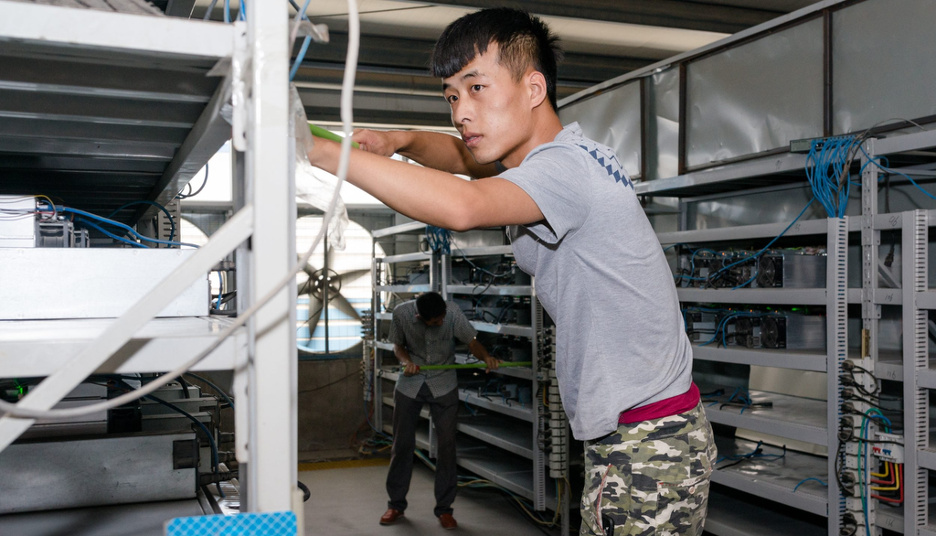
Even the most powerful mining hardware relies on supporting infrastructure to perform efficiently.
Mining equipment depends on:
- Stable power delivery
- Effective cooling systems
- Optimized airflow
- Controlled environments
- Reliable facility operations
Without these elements, hardware cannot consistently operate at its full potential.
Infrastructure has become the foundation of modern mining performance.
Cooling Has Become a Strategic Advantage
As ASIC performance continues to increase, heat management has become one of the most important operational challenges.
Poor thermal management can lead to:
- Reduced efficiency
- Increased power consumption
- Higher hardware stress
- Operational instability
Leading mining farms invest heavily in:
- Advanced cooling systems
- Thermal optimization
- Environmental monitoring
- Airflow engineering
The ability to manage heat effectively often creates a larger advantage than hardware upgrades alone.
Uptime Creates Long-Term Value
Mining profitability depends heavily on continuous operation.
A facility with stable uptime can often outperform a facility with more powerful hardware but frequent interruptions.
Modern mining farms focus on:
- Infrastructure reliability
- Preventive maintenance
- Operational monitoring
- Environmental stability
Maintaining consistent uptime has become one of the most valuable competitive advantages in industrial mining.
Energy Efficiency Impacts Profitability
Electricity remains one of the largest operating expenses in mining.
While modern hardware may offer strong efficiency ratings, total operational efficiency depends on the entire mining environment.
Factors affecting energy performance include:
- Cooling infrastructure
- Power distribution
- Environmental conditions
- Facility design
Mining farms that optimize these systems often achieve better profitability than operations focused solely on hardware acquisition.
Airflow Engineering Matters More Than Ever
Many operators underestimate the importance of airflow.
Poor airflow can create:
- Thermal hotspots
- Heat recirculation
- Increased cooling demand
- Reduced efficiency
Professional mining facilities invest in airflow planning because environmental optimization directly impacts hardware performance.
Well-designed airflow systems help maintain consistent operating conditions across the facility.
Operational Discipline Creates Stability
The most successful mining operations are often distinguished by disciplined management rather than machine quantity.
Professional operators prioritize:
- Structured maintenance schedules
- Environmental monitoring
- Performance tracking
- Controlled expansion
These practices help protect infrastructure and improve long-term operational performance.
Hardware may create opportunity, but operational discipline helps sustain it.
Expansion Requires More Than Additional Machines
Many mining farms encounter problems when they expand too quickly.
Adding more hardware without upgrading infrastructure can create:
- Cooling bottlenecks
- Electrical strain
- Airflow limitations
- Operational inefficiencies
Modern mining growth depends on balancing hardware deployment with infrastructure development.
Scalability has become a key competitive factor.
Data and Monitoring Are Reshaping Mining
Today’s leading mining facilities rely heavily on operational data.
They monitor:
- Temperature trends
- Power usage
- Equipment performance
- Cooling effectiveness
- Environmental stability
This information allows operators to identify problems early and improve decision-making.
Data-driven operations often outperform competitors relying solely on hardware advantages.
Mining Is Becoming a Data Center Industry
Modern mining facilities increasingly resemble enterprise data centers.
Both industries require:
- Reliable power systems
- Advanced cooling infrastructure
- Continuous uptime
- Environmental precision
- Operational efficiency
This shift reflects the growing importance of infrastructure management in mining success.
The future of mining is closely connected to data center principles.
Reliability Outperforms Peak Performance
Many operators focus on maximizing short-term output.
However, long-term success often comes from reliability rather than peak performance.
Consistent operations help achieve:
- Better uptime
- Lower maintenance costs
- Improved efficiency retention
- Greater profitability
Professional mining farms understand that stable performance often creates stronger financial outcomes than temporary performance gains.
Competitive Advantage Has Moved Beyond Hardware
The industry has reached a point where many operators have access to similar hardware technologies.
As a result, competitive advantage increasingly comes from:
- Infrastructure quality
- Cooling performance
- Energy optimization
- Operational efficiency
- Scalability planning
These factors determine how effectively mining hardware can perform over extended periods.
The strongest mining operations are built around systems rather than machines alone.
The Future of Mining Competition
Looking ahead, successful mining farms will continue investing in:
- Smart infrastructure
- AI-powered monitoring
- Advanced cooling technologies
- Predictive maintenance
- Intelligent energy management
These innovations will help operators maintain efficiency and profitability in increasingly competitive markets.
Future mining leaders will be defined by operational excellence rather than hardware ownership alone.
Final Verdict
Mining hardware alone no longer creates a lasting competitive advantage because modern mining success depends on far more than machine performance. Infrastructure quality, cooling systems, uptime reliability, energy efficiency, airflow management, and operational discipline now play a central role in determining profitability. As mining continues evolving into an infrastructure-driven industry, the operators who focus on building efficient, scalable, and reliable environments will gain the strongest long-term advantage. Hardware remains important, but the systems supporting that hardware have become the true differentiator.