


































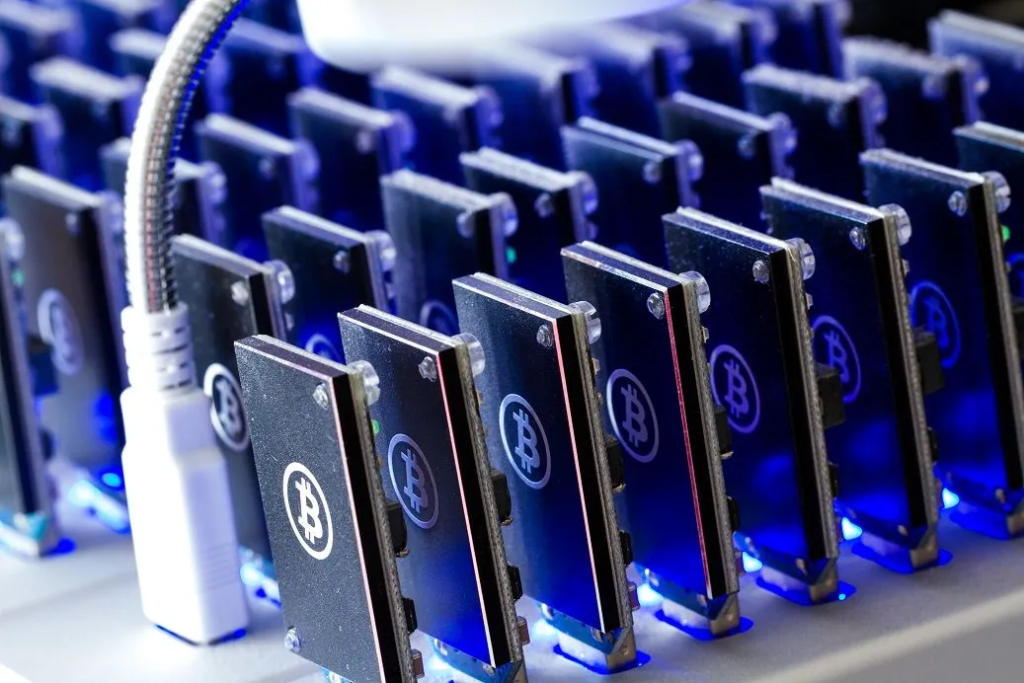
In crypto mining, performance is often associated with hash rate and power consumption. However, one critical factor that directly impacts both is often overlooked thermal management.
At the core of this system lies the heat sink, a component that plays a major role in determining how efficiently a mining machine operates.
Understanding heat sink mining efficiency can help miners optimize performance, reduce downtime, and extend hardware lifespan.
What Is a Heat Sink in Mining Machines
A heat sink is a component designed to absorb and dissipate heat generated by mining chips.
Mining machines operate continuously under high loads, producing significant heat. Without proper cooling, this heat can affect performance and damage internal components.
Heat sinks work by transferring heat away from critical parts and releasing it into the surrounding environment.
Why Heat Management Is Critical in Mining
Mining hardware is highly sensitive to temperature. When temperatures rise beyond optimal levels:
- Performance begins to drop
- Hardware may throttle automatically
- Energy efficiency decreases
- Long-term damage becomes more likely
Effective cooling is not just about preventing overheating it directly supports stable and efficient mining operations.
How Heat Sink Design Impacts Efficiency
1. Surface Area and Heat Dissipation
The design of a heat sink determines how much heat it can release. Larger surface areas allow better airflow and faster cooling.
Efficient designs maximize contact with air, improving overall heat transfer.
2. Material Conductivity
Most heat sinks are made from materials like aluminum or copper due to their high thermal conductivity.
Better materials transfer heat more quickly, reducing the time it stays trapped inside the machine.
3. Fin Structure and Spacing
The fins on a heat sink play a key role in airflow.
- Closely packed fins increase surface area
- Proper spacing ensures air can flow freely
A well-balanced design improves cooling without restricting airflow.
4. Contact Efficiency
The connection between the heat sink and the chip must be precise.
Poor contact leads to inefficient heat transfer, reducing the effectiveness of the entire cooling system.
5. Integration with Cooling Systems
Heat sinks work alongside fans or liquid cooling systems.
A well-designed heat sink enhances the performance of these systems, ensuring consistent temperature control even under heavy workloads.
The Link Between Cooling and Performance
Efficient heat sink design helps maintain stable operating temperatures. This directly leads to:
- Consistent hash rate
- Reduced thermal throttling
- Better energy efficiency
- Lower maintenance needs
In short, better cooling equals better performance.
Long-Term Benefits of Optimized Heat Sink Design
Mining machines are long-term investments. Proper thermal management helps protect that investment.
Benefits include:
- Extended hardware lifespan
- Reduced risk of failure
- Stable long-term performance
- Lower operational interruptions
Why It Matters for Large-Scale Mining
In large mining operations, even small inefficiencies can scale into significant performance losses.
Optimized heat sink design ensures that every machine operates at its best, improving overall output and operational stability.
Conclusion
Heat sink design is not just a technical detail it is a core factor in mining efficiency. From material selection to airflow optimization, every element of the design impacts how well a mining machine performs.
By ensuring effective heat dissipation, miners can achieve more stable performance, better efficiency, and longer hardware life. In crypto mining, cooling is not just support it is a performance driver.