






































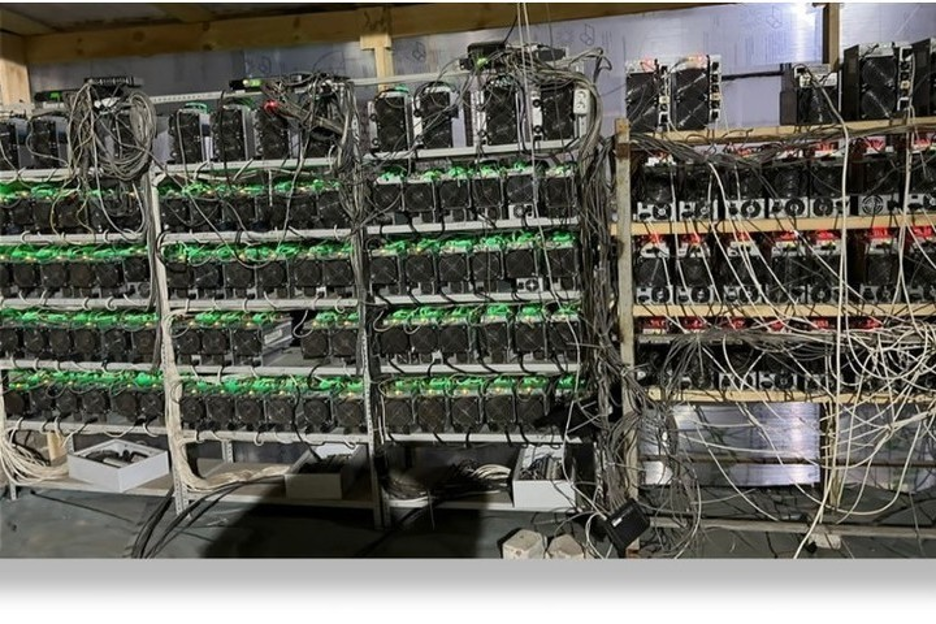
Mining systems are built for continuous performance. Unlike many types of equipment that operate only during working hours, ASIC miners often run 24 hours a day, seven days a week, throughout the entire year. This nonstop workload is one of the reasons mining can generate consistent output, but it also introduces challenges that many operators underestimate. While mining hardware may appear to be functioning normally, continuous operation places constant pressure on every part of the mining environment.
In modern mining facilities, the hidden effects of nonstop operation can influence hardware reliability, cooling efficiency, power systems, infrastructure stability, and overall profitability. Understanding these stresses is essential for building sustainable mining operations capable of performing efficiently over the long term.
Mining Never Truly Gets a Break
Most industrial equipment experiences periods of reduced activity, scheduled downtime, or operational rest. Mining systems are different.
ASIC miners often operate:
- 24 hours per day
- 365 days per year
- Under constant processing loads
- In high-temperature environments
This continuous workload means every component remains under pressure for extended periods.
Over time, even small inefficiencies can become significant operational challenges.
Heat Builds Up Over Time
One of the most significant forms of hidden stress comes from heat generation.
Every ASIC miner produces heat continuously while operating. In large-scale facilities, hundreds or thousands of machines can create enormous thermal loads.
Without proper management, heat can contribute to:
- Reduced efficiency
- Thermal instability
- Increased cooling demands
- Higher energy consumption
Unlike temporary heat spikes, continuous thermal exposure places long-term pressure on mining systems.
This is why thermal management has become a critical part of industrial mining.
Cooling Systems Face Constant Demand
Cooling infrastructure experiences the same nonstop workload as mining hardware.
Fans, ventilation systems, heat exchangers, and cooling equipment often operate continuously to maintain stable environmental conditions.
Over time, this creates:
- Increased wear
- Reduced efficiency
- Higher maintenance requirements
- Greater operational strain
Professional mining facilities recognize that cooling systems require the same level of attention as mining equipment itself.
Cooling reliability directly affects mining stability.
Airflow Efficiency Can Gradually Decline
Continuous operation can slowly affect airflow performance throughout a facility.
Dust accumulation, equipment density changes, and infrastructure aging may contribute to:
- Restricted airflow
- Uneven cooling
- Thermal hotspots
- Heat recirculation
These problems often develop gradually and may remain unnoticed until performance begins to decline.
Regular airflow assessments help identify issues before they affect operations.
Power Infrastructure Experiences Ongoing Stress
Mining systems place substantial demands on electrical infrastructure.
Continuous operation means power systems must consistently support:
- High electrical loads
- Stable voltage delivery
- Reliable distribution
- Long-term operational performance
Over time, infrastructure stress can increase the risk of:
- Electrical inefficiencies
- System instability
- Maintenance challenges
Professional mining facilities carefully monitor power systems to ensure long-term reliability.
Hardware Components Experience Continuous Wear
Although ASIC miners are designed for demanding workloads, nonstop operation naturally contributes to component wear.
Over extended periods, continuous stress can affect:
- Cooling fans
- Connectors
- Circuit boards
- Power components
- Internal systems
This does not mean hardware will fail immediately, but it highlights the importance of maintenance and monitoring.
Preventive maintenance helps reduce the impact of long-term operational stress.
Environmental Stability Becomes More Important
As mining systems operate continuously, maintaining environmental consistency becomes increasingly critical.
Small fluctuations in:
- Temperature
- Humidity
- Air quality
- Airflow balance
can create cumulative effects over time.
Professional facilities focus on environmental stability because predictable conditions help reduce unnecessary operational strain.
Consistency often supports better long-term performance than short-term optimization efforts.
Small Inefficiencies Become Major Costs
One of the hidden dangers of continuous operation is that minor inefficiencies are repeated thousands of times.
Examples include:
- Slight airflow restrictions
- Small temperature increases
- Minor cooling inefficiencies
- Low-level power waste
Individually, these issues may seem insignificant.
However, when repeated continuously across large-scale mining operations, they can create substantial financial impact.
Operational efficiency becomes increasingly important as facilities scale.
Uptime Creates Both Opportunity and Pressure
Continuous uptime is essential for mining profitability.
However, maintaining nonstop operation also creates pressure on infrastructure.
Operators must balance:
- Performance
- Reliability
- Maintenance
- Environmental control
Facilities that prioritize uptime without maintaining infrastructure may experience increased operational risks over time.
Successful mining farms focus on sustainable uptime rather than simply maximizing runtime.
Monitoring Has Become Essential
Modern mining facilities increasingly rely on monitoring systems to identify hidden operational stress.
Operators track:
- Temperature trends
- Cooling performance
- Power consumption
- Equipment behavior
- Environmental conditions
This visibility allows facilities to detect small issues before they become larger problems.
Data-driven monitoring helps support long-term operational stability.
Mining Facilities Are Becoming More Infrastructure Focused
As mining evolves, operators are realizing that hardware alone cannot manage the demands of continuous operation.
Leading facilities invest in:
- Cooling optimization
- Environmental controls
- Power management
- Infrastructure monitoring
- Preventive maintenance
These systems help reduce the effects of long-term operational stress while improving efficiency.
Infrastructure quality is becoming one of the most important factors in mining success.
The Future of Continuous Mining Operations
Future mining facilities will increasingly adopt:
- AI-powered monitoring systems
- Automated thermal management
- Predictive maintenance technologies
- Smart infrastructure controls
- Advanced cooling solutions
These innovations will help operators manage continuous workloads more effectively while reducing operational risk.
As facilities become more sophisticated, proactive infrastructure management will become even more important.
Why Professional Mining Farms Plan for Continuous Stress
Professional operators understand that continuous operation is not simply a hardware challenge.
It is an infrastructure challenge that affects:
- Cooling systems
- Airflow management
- Power delivery
- Maintenance planning
- Operational efficiency
Facilities that prepare for these demands are better positioned to maintain stable performance over the long term.
The strongest mining operations are designed to handle continuous pressure without sacrificing reliability.
Final Verdict
The hidden stress continuous operation places on mining systems extends far beyond the hardware itself. Constant workloads create ongoing demands on cooling infrastructure, airflow systems, power distribution, environmental controls, and operational management. While these pressures may not always be visible, they can gradually reduce efficiency, increase costs, and impact reliability if left unmanaged. Professional mining farms recognize that long-term success depends on monitoring, maintenance, infrastructure optimization, and environmental stability. In modern mining, managing continuous operational stress is just as important as deploying powerful hardware.