





































Mining hardware is going through a major shift. In earlier years, bigger meant better—larger machines, higher power, and maximum space usage. But in 2026, the trend has changed completely.
The industry is now moving toward compact high-output mining machines that deliver strong performance while reducing space, heat, and operational complexity.
This shift is not just design evolution, it’s a profitability strategy.
Why Compact Mining Machines Are Rising
The demand for compact miners is driven by real operational challenges:
- High electricity costs
- Limited space in mining farms
- Cooling inefficiencies in large rigs
- Need for scalable deployments
Instead of scaling size, modern mining focuses on efficiency per unit of space and power.
1. Efficiency Over Size
Compact machines are built to maximize output without increasing physical footprint.
Key advantages:
- Better energy-to-output ratio
- Lower wasted power
- Optimized internal chip layouts
In modern mining, efficiency matters more than raw physical scale.
2. Smarter Thermal Design
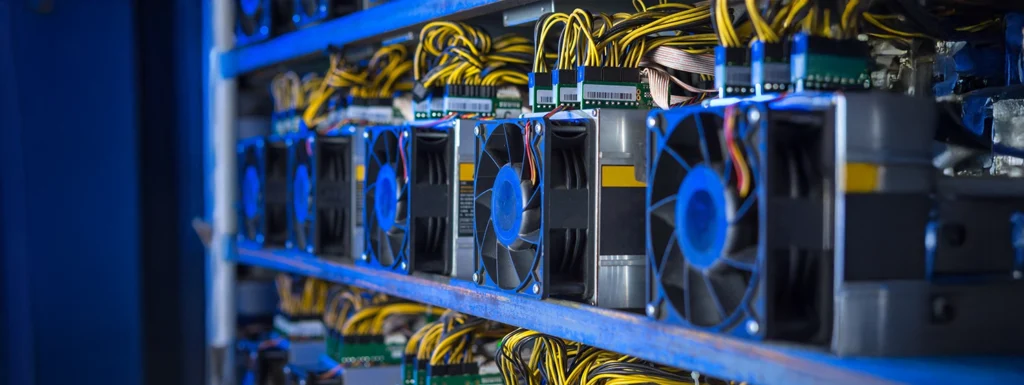
One of the biggest reasons compact miners are gaining popularity is advanced cooling integration.
Instead of large external setups, modern compact units use:
- Optimized airflow paths
- Improved heat distribution
- Hydro or hybrid cooling systems in some models
This allows machines to maintain stable performance under continuous load.
3. Easier Scalability
Compact mining machines allow operators to scale without infrastructure stress.
Benefits include:
- Easier rack installation
- Simplified wiring and power distribution
- Faster deployment across mining farms
Instead of managing fewer large machines, operators can run multiple efficient units in parallel.
4. Lower Operational Complexity
Large mining rigs often require:
- Heavy cooling systems
- Complex maintenance
- High setup costs
Compact machines reduce this burden significantly.
They are:
- Easier to maintain
- Faster to replace or upgrade
- More flexible in deployment environments
This reduces downtime and improves ROI consistency.
5. Better Performance Stability
Modern compact miners are designed for consistent output, not just peak numbers.
They offer:
- Stable hashrate over time
- Reduced performance drops
- Improved long-term efficiency
This stability is critical in today’s mining environment where margins are tight.
6. Space Optimization in Mining Farms
Space is now a financial asset in mining operations.
Compact miners allow:
- Higher machine density per rack
- More output per square meter
- Better use of cooling systems
This makes mining farms more efficient without expanding infrastructure.
7. The Shift in Mining Philosophy
The industry is moving away from:
“Bigger machine = better profit”
Toward:
“Smarter machine = better long-term ROI”
This change is driven by:
- Rising difficulty levels
- Electricity cost pressure
- Hardware lifecycle limitations
Compact machines align perfectly with this new reality.
8. Real Examples of Compact Mining Trend
Modern mining hardware lines now include:
- Compact Scrypt miners for home + industrial hybrid use
- Small form-factor SHA-256 machines for dense farms
- Hydro-cooled compact units for high efficiency setups
These machines prove that size is no longer a performance indicator.
Final Verdict
The rise of compact high-output mining machines marks a major shift in the mining industry.
They are built for:
- Efficiency
- Stability
- Scalability
- Real-world profitability
In 2026, success in mining is no longer about running the biggest hardware—it’s about running the most optimized system per unit of space and energy.