





































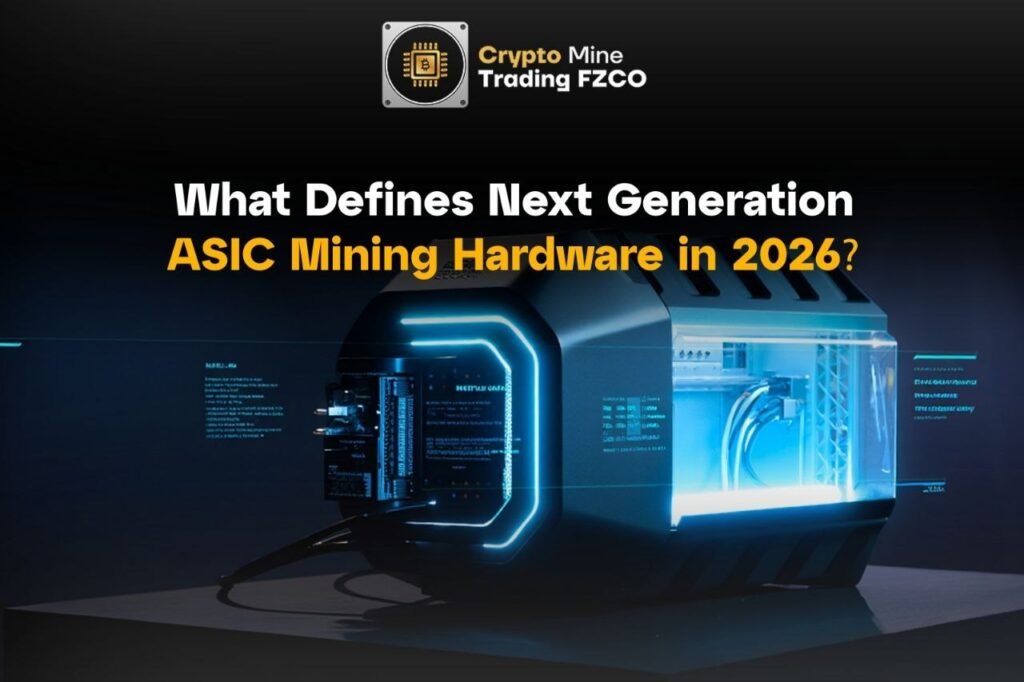
The mining landscape has changed. In 2026, the best machines aren’t just the fastest they’re the ones that run efficiently, stay stable under load, and integrate seamlessly into professional setups. Next-generation ASIC hardware is built for long-term performance, not short-term peaks.
Here’s what actually defines modern mining machines today.
1. Efficiency First, Not Just Hashrate
Older models chased higher hashrate. New machines prioritize efficiency (J/TH or J/MH) how much power is required to produce output.
Why it matters:
- Lower energy cost per unit mined
- Better survival as difficulty increases
- Stronger long-term ROI
In tight-margin environments, efficiency is the advantage that compounds daily.
2. Thermal Architecture as a Core Feature
Heat management is no longer an afterthought it’s a design pillar.
Next-gen ASICs focus on:
- Optimized airflow paths
- Improved heatsink design
- Compatibility with immersion or hydro cooling
Result:
- Stable performance under continuous load
- Reduced thermal throttling
- Longer hardware lifespan
Machines are now engineered to perform consistently, not just peak briefly.
3. Built for 24/7 Uptime
Mining is a non-stop operation. Hardware must deliver near-constant uptime.
Key improvements:
- More stable control boards and firmware
- Better power delivery systems
- Reduced failure rates under stress
Modern ASICs are designed to run continuously without performance drops, which directly impacts profitability.
4. Data Center Compatibility
Mining has moved from garages to professional data centers.
Next-gen hardware is built for:
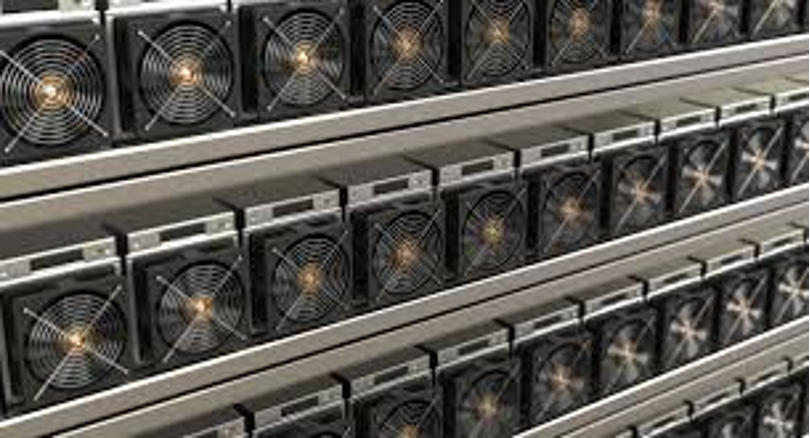
- High-density rack deployments
- Standardized power inputs
- Efficient cable and airflow management
This allows operators to:
- Scale faster
- Reduce setup complexity
- Maximize space and efficiency
Hardware that can’t fit into structured environments is quickly becoming obsolete.
5. Advanced Chip Design
Chip innovation is at the core of modern ASIC performance.
New developments include:
- Smaller, more efficient chip architectures
- Better energy distribution across cores
- Higher output per watt
These improvements don’t just increase speed they improve efficiency and stability at scale.
6. Smarter Power Management
Power systems are now optimized beyond simple consumption.
Next-gen features:
- Stable voltage control
- Reduced energy loss
- Better load balancing
This ensures machines operate at consistent efficiency levels over time, even under heavy workloads.
7. Lower Noise, Better Deployment Flexibility
Noise used to be ignored. Now it affects deployment options.
Modern ASICs aim for:
- Reduced decibel levels
- Improved fan design
- Compatibility with quieter cooling systems
This opens the door for:
- Controlled indoor setups
- Flexible deployment environments
8. Firmware and Monitoring Improvements
Software now plays a bigger role in hardware performance.
Next-gen systems offer:
- Real-time monitoring
- Auto-restart and recovery features
- Performance optimization controls
This allows miners to:
- Reduce downtime
- Maintain consistent output
- Manage large fleets efficiently
9. Longevity Over Short-Term Gains
The biggest shift is mindset.
Old hardware focused on peak output.
New hardware focuses on sustained performance over months and years.
Why it matters:
- Mining difficulty increases over time
- Profit margins shrink
- Stability becomes more valuable than speed
Machines that maintain performance win long-term.
10. System-Level Thinking
Next-gen mining hardware is not just a machine—it’s part of a system.
It’s designed to work with:
- Cooling infrastructure
- Power systems
- Monitoring platforms
The goal is not just to mine but to operate efficiently at scale.
Final Verdict
In 2026, next-generation ASIC mining hardware is defined by:
- High efficiency, not just high hashrate
- Strong thermal and cooling design
- Stable 24/7 uptime
- Data center compatibility
- Long-term performance consistency
The industry has moved from hardware-focused mining to system-driven mining.
The machines that succeed are not the ones with the highest specs, they’re the ones that perform reliably, efficiently, and continuously over time.