





































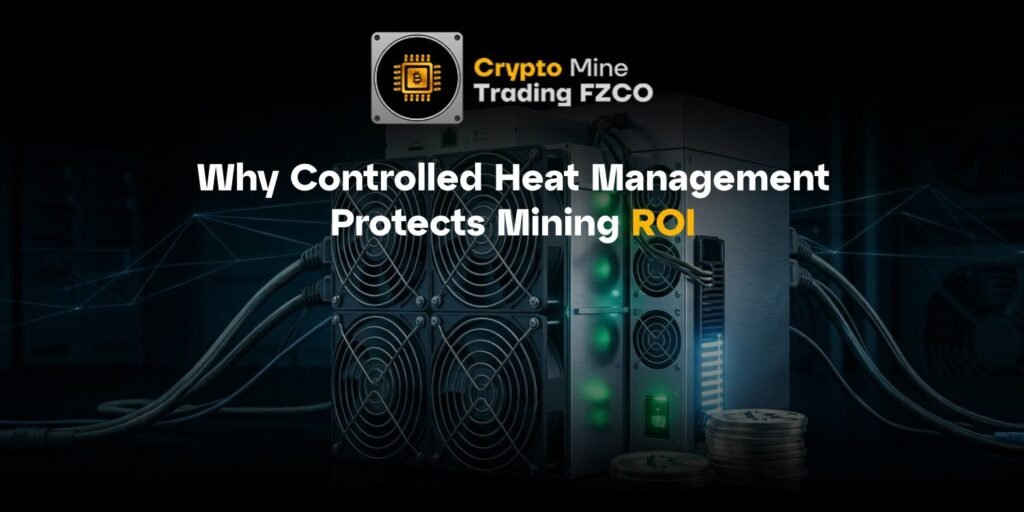
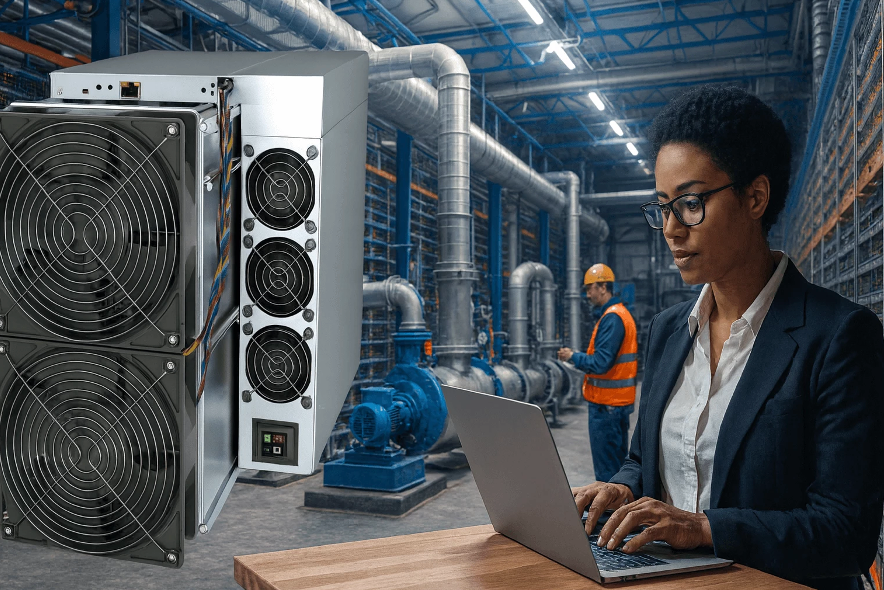
Heat has become one of the most important factors in modern mining profitability. Many mining operators focus heavily on hashrate and hardware performance, but long-term ROI is often determined by something less visible: thermal stability. In 2026, professional mining farms understand that uncontrolled heat quietly reduces efficiency, increases operational cost, and creates long-term infrastructure stress. This is why controlled heat management is now considered a core part of mining strategy rather than just a cooling requirement.
Why Heat Directly Impacts Mining Profitability
ASIC miners operate continuously under heavy computational load, generating large amounts of heat every hour. When thermal conditions become unstable, mining systems begin losing efficiency gradually. This creates:
- Increased power waste
- Lower performance consistency
- Reduced hardware lifespan
- Higher operational stress
Many miners underestimate how small thermal inefficiencies compound into major profitability losses over time. Heat affects not only machine performance but the stability of the entire mining environment.
The Hidden Cost of Thermal Buildup
Thermal buildup often develops silently. Mining farms may continue operating while hidden heat concentration slowly impacts performance across multiple systems. This creates:
- Uneven airflow
- Heat recirculation
- Thermal hotspots
- Efficiency degradation
Operators may not immediately notice these problems because hardware continues functioning, but long-term ROI slowly declines as operational waste increases.
Why Stable Temperatures Matter More Than Peak Output
Some mining setups focus aggressively on maximum performance without considering thermal sustainability. While this may increase short-term output, unstable heat conditions create greater operational strain over time.
Professional mining farms prioritize:
- Stable thermal behavior
- Balanced cooling
- Controlled airflow
- Long-term efficiency retention
because sustainable performance usually generates stronger long-term profitability than unstable high-output operation.
Cooling Is No Longer Just Support Infrastructure
In earlier mining generations, cooling systems were often treated as secondary support components. Today, cooling architecture directly affects mining economics.
Modern mining farms invest heavily in:
- Airflow engineering
- Hydro cooling systems
- Thermal isolation
- Environmental monitoring
- Heat distribution management
because cooling efficiency directly influences operational efficiency.
In many industrial mining environments, cooling optimization creates more long-term value than simply adding additional hardware.
Why Heat Reduces ASIC Efficiency
ASIC chips perform best under stable operating temperatures. Excess heat creates electrical inefficiencies that force systems to consume more energy while producing less effective output.
Uncontrolled heat can cause:
- Thermal throttling
- Power instability
- Performance fluctuation
- Component stress
Over time, this reduces the overall profitability of mining operations.
Controlled heat management helps ASICs maintain:
- Consistent performance
- Better energy efficiency
- Stable uptime
- Reduced operational degradation
Why Professional Mining Farms Prioritize Airflow
Airflow design is one of the most important parts of thermal management. Poor airflow creates localized heat concentration that weakens cooling efficiency across entire mining systems.
Professional mining facilities carefully design:
- Intake airflow paths
- Exhaust heat removal
- Rack positioning
- Thermal separation zones
This allows mining hardware to operate in a more stable environment even under continuous industrial load.
The Connection Between Heat and Power Consumption
As thermal stress increases, power efficiency often decreases. Mining hardware working inside unstable environments consumes more energy to maintain operational performance.
This creates a double financial impact:
- Higher electricity cost
- Lower efficiency output
In regions with expensive electricity pricing, poor thermal management becomes even more damaging to long-term ROI.
Why Controlled Environments Improve Scalability
Many mining operations struggle during expansion because infrastructure cannot handle rising thermal demand.
Adding more ASICs without improving heat management creates:
- Cooling bottlenecks
- Thermal imbalance
- Infrastructure overload
- Reduced operational stability
Controlled thermal systems allow mining farms to scale more efficiently while protecting long-term infrastructure performance.
Mining Farms Are Becoming More Like Data Centers
Modern industrial mining increasingly resembles high-density compute infrastructure. Professional operators now manage mining facilities using principles similar to enterprise data centers.
This includes:
- Precision environmental control
- Structured cooling architecture
- Predictable thermal behavior
- Continuous system monitoring
The goal is no longer just producing more hashrate. The goal is sustaining efficient operation over long periods with minimal operational waste.
Why Heat Management Protects Hardware Lifespan
Excessive thermal stress accelerates hardware wear. Continuous exposure to unstable temperatures increases strain on:
- ASIC chips
- Cooling fans
- Power systems
- Internal components
Controlled heat management reduces operational stress and helps maintain stable hardware performance over time. This lowers maintenance frequency and improves infrastructure sustainability.
The Future of Thermal Management in Mining
The future of mining infrastructure will likely focus even more on:
- Intelligent cooling systems
- AI-driven environmental monitoring
- Hydro and immersion cooling
- Automated airflow optimization
- Predictive thermal analysis
As mining hardware becomes more powerful, heat management will continue becoming one of the most important competitive advantages in industrial mining.
Final Verdict
Controlled heat management protects mining ROI because mining profitability depends heavily on operational stability. Uncontrolled heat quietly reduces efficiency, increases operational cost, and weakens long-term hardware performance. Professional mining farms understand that stable thermal conditions are essential for maintaining uptime, efficiency, and infrastructure sustainability. In modern mining, the most profitable operations are not simply running the most powerful hardware. They are running the most thermally optimized systems.