






































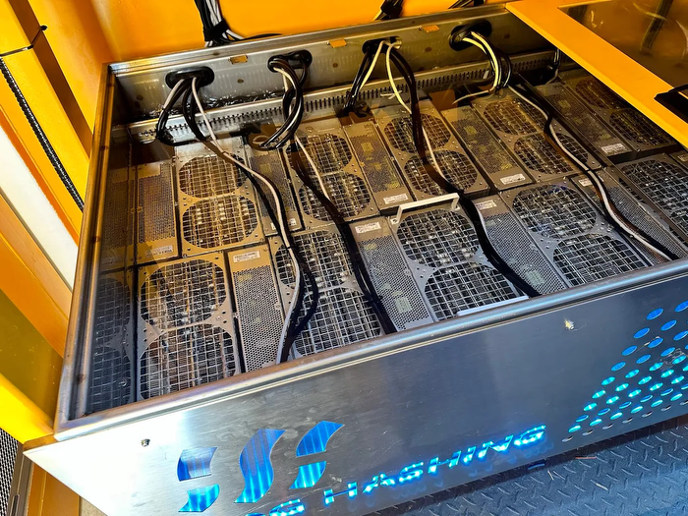
The mining industry is becoming increasingly focused on operational efficiency, infrastructure optimization, and long-term sustainability. While hardware performance remains important, modern mining farms are realizing that cooling systems play an equally critical role in profitability. In 2026, many industrial mining operations are upgrading to smarter cooling systems because traditional cooling approaches are struggling to keep up with the thermal demands of next-generation mining hardware.
As mining environments become more complex and machine density continues to increase, cooling is evolving from a support function into a strategic advantage.
The Growing Heat Challenge in Modern Mining
Today’s ASIC miners deliver significantly higher performance than previous generations. However, this increased processing power also generates substantial amounts of heat.
Large-scale mining farms often operate hundreds or even thousands of machines simultaneously, creating enormous thermal pressure within mining facilities.
Without efficient cooling systems, operators face:
- Rising equipment temperatures
- Reduced efficiency
- Higher energy consumption
- Increased hardware stress
- Greater downtime risk
Managing heat effectively has become one of the most important challenges in industrial mining.
Why Traditional Cooling Methods Are Reaching Their Limits
Many older mining operations rely on basic airflow systems and conventional fan-based cooling strategies.
While these methods may work in smaller environments, large-scale operations often experience:
- Heat recirculation
- Uneven cooling
- Thermal hotspots
- Airflow restrictions
- Cooling inefficiencies
As mining hardware becomes more powerful, these limitations become increasingly difficult to manage.
This is driving the shift toward more intelligent cooling technologies.
Smarter Cooling Improves Mining Efficiency
One of the biggest reasons mining farms are upgrading cooling infrastructure is efficiency.
Stable thermal conditions help mining hardware operate closer to its optimal performance range.
Smarter cooling systems help:
- Maintain consistent temperatures
- Reduce thermal fluctuations
- Improve operational stability
- Support continuous performance
When hardware operates in balanced thermal environments, mining farms can achieve stronger efficiency retention over longer periods.
Reducing Energy Waste Through Thermal Optimization
Cooling and electricity costs are closely connected.
Poor thermal management often increases:
- Fan activity
- Power consumption
- Cooling workload
- Infrastructure strain
Smarter cooling systems are designed to optimize heat removal while minimizing unnecessary energy usage.
This helps mining farms:
- Reduce operational waste
- Improve energy efficiency
- Lower infrastructure stress
- Protect profitability
As energy costs remain a major concern, thermal optimization is becoming a critical business strategy.
Why Hardware Protection Matters
Mining hardware represents a significant investment for any operation.
Continuous exposure to excessive heat can accelerate:
- Component wear
- Thermal degradation
- Operational instability
- Maintenance requirements
Smarter cooling systems help create controlled environments that protect equipment over extended operational periods.
This contributes to:
- Longer hardware lifespan
- Improved reliability
- Reduced maintenance costs
- Better long-term returns
Protecting hardware performance is one of the primary reasons operators invest in advanced cooling solutions.
The Rise of Intelligent Thermal Monitoring
Modern cooling systems increasingly incorporate real-time monitoring technologies.
Mining farms now track:
- Temperature trends
- Heat distribution
- Environmental stability
- Cooling performance
- Infrastructure efficiency
This visibility allows operators to identify problems before they impact mining output.
Instead of reacting to thermal issues after performance declines, smarter systems help prevent problems from developing in the first place.
Hydro Cooling Is Gaining Popularity
Hydro cooling solutions are becoming more common in industrial mining environments.
Compared to traditional air-based systems, hydro cooling offers:
- Improved heat transfer
- Greater thermal consistency
- Better support for high-density deployments
- Enhanced operational stability
As mining farms scale, hydro cooling is emerging as a practical solution for managing increasingly demanding thermal loads.
Many operators view hydro cooling as part of the next generation of mining infrastructure.
Smarter Cooling Supports Higher-Density Mining
The future of mining is moving toward higher-density facilities where more computing power operates within optimized spaces.
However, higher machine density creates additional heat challenges.
Smarter cooling systems help support:
- Increased hardware concentration
- Balanced airflow
- Predictable thermal behavior
- Scalable infrastructure growth
Without advanced cooling architecture, expansion can quickly create operational bottlenecks.
This makes cooling a key factor in successful mining scalability.
Mining Farms Are Adopting Data Center Practices
Modern mining facilities increasingly resemble enterprise data centers.
Both industries depend on:
- Continuous uptime
- Thermal stability
- Energy efficiency
- Environmental control
- Infrastructure monitoring
As mining becomes more infrastructure-driven, operators are adopting cooling strategies inspired by high-performance data centers.
These practices help create more reliable and efficient mining environments.
Why Downtime Prevention Is a Major Benefit
Unexpected downtime can significantly impact mining profitability.
Thermal issues often contribute to:
- Performance interruptions
- Hardware instability
- Reduced uptime
- Operational inefficiency
Smarter cooling systems help minimize these risks by maintaining stable environmental conditions.
For large-scale mining farms, even small improvements in uptime can create meaningful financial benefits over time.
The Future of Mining Cooling Technology
Cooling innovation continues to advance rapidly.
Future mining facilities are expected to adopt:
- AI-driven thermal management
- Automated cooling optimization
- Advanced hydro cooling systems
- Predictive environmental monitoring
- Intelligent infrastructure control
These technologies will help operators manage larger deployments while maintaining efficiency and stability.
Cooling is becoming a central component of mining infrastructure planning.
Why Competitive Mining Requires Better Cooling
As mining competition increases, operational efficiency becomes more important than ever.
Smarter cooling systems help mining farms:
- Improve efficiency retention
- Reduce operational costs
- Enhance hardware reliability
- Maintain stable performance
- Support sustainable growth
These advantages create stronger long-term competitiveness in increasingly demanding mining markets.
Final Verdict
Mining farms are upgrading to smarter cooling systems because thermal management has become a major factor in operational performance and profitability. Modern mining hardware generates significant heat, and traditional cooling methods often struggle to maintain stable conditions in large-scale environments. Smarter cooling solutions improve efficiency, reduce energy waste, protect hardware, support scalability, and enhance uptime. In 2026, successful mining operations recognize that cooling is no longer just an infrastructure requirement. It is a strategic advantage that directly influences long-term mining success.