








































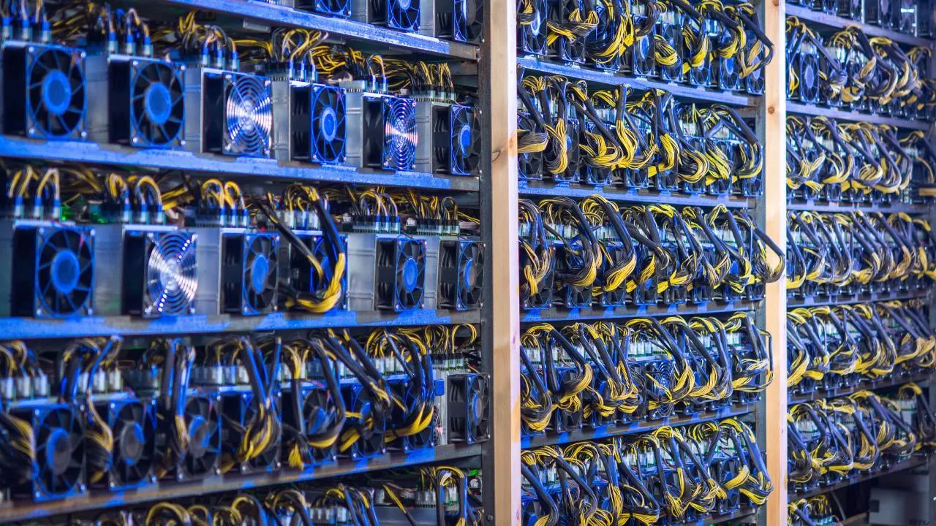
Expansion is often seen as a positive milestone in the mining industry. More machines usually mean more potential output, greater operational scale, and stronger revenue opportunities. However, many mining operators discover that growth can introduce unexpected challenges. Some mining setups perform well at a smaller scale but begin experiencing efficiency issues, cooling problems, rising costs, and operational instability once additional hardware is deployed.
The reality is that successful expansion requires much more than adding new ASIC miners. Sustainable growth depends on infrastructure, environmental control, power management, and operational planning. Without these elements, expansion can become a source of inefficiency rather than profitability.
Growth Increases Operational Demands
Every new mining machine adds more than just processing power. It also increases the overall demand placed on the mining environment.
As operations grow, they generate:
- More heat
- Higher power consumption
- Increased airflow requirements
- Greater maintenance needs
- Additional infrastructure stress
Many operators focus on machine deployment while underestimating how much pressure expansion places on the entire facility.
This imbalance often becomes the first warning sign of future operational problems.
Infrastructure Does Not Scale Automatically
One of the biggest reasons mining setups fail during expansion is the assumption that existing infrastructure can handle unlimited growth.
A facility that performs efficiently with a small number of machines may struggle when capacity doubles or triples.
Infrastructure limitations often appear in:
- Electrical systems
- Cooling capacity
- Ventilation design
- Rack organization
- Environmental controls
Without proper upgrades, the infrastructure becomes a bottleneck that limits overall performance.
Professional mining farms expand infrastructure alongside hardware rather than treating it as an afterthought.
Cooling Problems Become More Serious
Heat management becomes significantly more challenging as mining operations scale.
Every additional ASIC miner contributes to the facility’s total thermal load. If cooling systems are not upgraded accordingly, temperatures begin to rise throughout the environment.
This can result in:
- Thermal hotspots
- Reduced cooling efficiency
- Higher energy consumption
- Increased hardware stress
Many mining setups experience performance declines simply because cooling systems were designed for smaller deployments.
Successful expansion requires cooling strategies that can support future growth.
Airflow Becomes More Difficult to Manage
Airflow issues often remain hidden until expansion begins.
As machine density increases, airflow pathways can become restricted, causing hot air to remain trapped inside the facility.
Common airflow problems include:
- Heat recirculation
- Uneven cooling zones
- Poor exhaust management
- Thermal concentration areas
These issues reduce cooling effectiveness and place additional stress on mining equipment.
Professional operators carefully evaluate airflow before scaling operations.
Power Distribution Challenges
Mining expansion also places greater demands on electrical infrastructure.
Without proper planning, operators may encounter:
- Circuit overloads
- Voltage fluctuations
- Uneven power distribution
- Increased operational risk
Electrical instability can negatively impact both hardware performance and overall reliability.
Professional mining farms often perform infrastructure assessments before deploying additional equipment.
More Machines Create More Complexity
As operations grow, managing the mining environment becomes increasingly complex.
Larger setups require:
- More monitoring
- Better maintenance systems
- Enhanced operational oversight
- Improved environmental controls
Without structured management processes, operational efficiency often declines as complexity increases.
This is why many successful mining farms prioritize operational discipline during expansion.
Scaling Too Quickly Creates Hidden Risks
Rapid expansion can be tempting during periods of strong market performance.
However, scaling faster than infrastructure can support often creates hidden problems.
Examples include:
- Overloaded cooling systems
- Airflow bottlenecks
- Electrical stress
- Reduced maintenance effectiveness
These issues may not appear immediately, but they often lead to long-term efficiency losses.
Professional mining operators focus on controlled and sustainable growth rather than aggressive expansion.
Thermal Hotspots Reduce Performance
As machine density increases, certain sections of a facility may become significantly hotter than others.
Thermal hotspots contribute to:
- Uneven hardware performance
- Increased cooling demands
- Reduced operational stability
- Greater infrastructure strain
Without proper thermal planning, these hotspots can gradually reduce mining efficiency across the facility.
Environmental monitoring becomes increasingly important during expansion phases.
Maintenance Requirements Grow with Scale
Every new machine adds additional maintenance responsibilities.
As operations expand, maintaining equipment becomes more challenging and more important.
Larger mining farms must manage:
- Equipment inspections
- Cooling system maintenance
- Airflow optimization
- Infrastructure monitoring
Without a structured maintenance strategy, minor issues can quickly become major operational problems.
Preventive maintenance helps protect long-term performance.
Uptime Becomes Harder to Maintain
Continuous uptime is one of the most important factors in mining profitability.
As facilities expand, maintaining consistent uptime becomes more difficult due to increased operational complexity.
Potential risks include:
- Thermal interruptions
- Power-related issues
- Equipment instability
- Infrastructure failures
Professional mining farms prioritize reliability because even small interruptions can impact overall profitability.
Why Professional Mining Farms Expand Differently
Experienced operators understand that expansion is an infrastructure challenge as much as a hardware challenge.
Before scaling, they evaluate:
- Cooling capacity
- Airflow efficiency
- Electrical infrastructure
- Environmental controls
- Operational readiness
This disciplined approach helps maintain stability while supporting long-term growth.
Successful mining farms expand strategically rather than simply adding more machines.
The Industry Is Moving Toward Infrastructure-Led Growth
Modern mining is becoming increasingly focused on infrastructure optimization.
Leading operations invest heavily in:
- Thermal management
- Environmental monitoring
- Power efficiency
- Cooling architecture
- Operational systems
This shift reflects a growing understanding that infrastructure quality often determines mining success more than hardware quantity.
The strongest mining operations are built on balanced and scalable foundations.
The Future of Mining Expansion
Future mining facilities will increasingly rely on:
- AI-powered monitoring
- Automated cooling optimization
- Smart infrastructure management
- Predictive maintenance systems
- Scalable environmental controls
These technologies will help operators expand efficiently while maintaining operational performance.
As competition grows, infrastructure-driven expansion will become even more important.
Final Verdict
Some mining setups fail during expansion because hardware growth outpaces infrastructure growth. Cooling limitations, airflow restrictions, electrical challenges, maintenance complexity, and operational inefficiencies can quickly reduce performance when expansion is not properly planned. Successful mining farms focus on building scalable infrastructure, maintaining environmental stability, and expanding in a controlled manner. In today’s mining industry, long-term growth is not determined by how many machines are added. It is determined by how effectively the entire operation supports that growth.