






































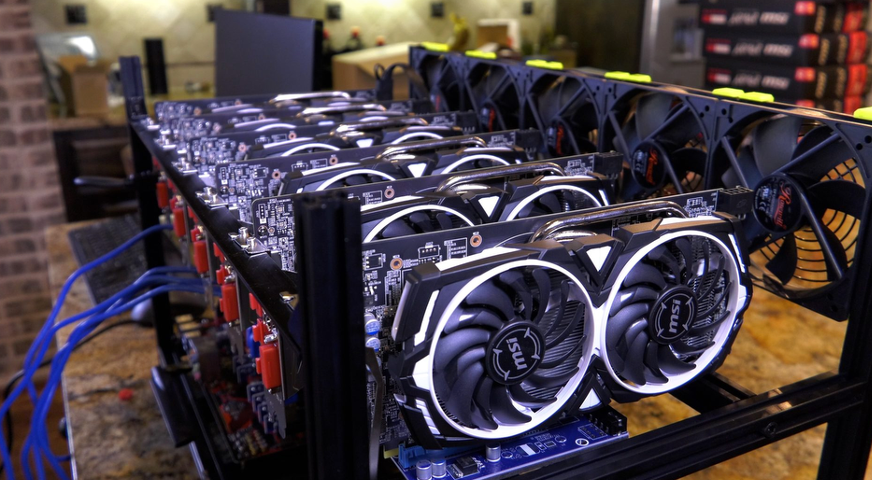
For years, mining expansion was driven by one idea: buy more hardware. Larger ASIC fleets were seen as the fastest path toward higher mining revenue. But modern mining economics have changed significantly. In 2026, professional mining farms increasingly understand that stable infrastructure often creates stronger long-term profitability than simply adding more machines. The industry is shifting from hardware-focused growth toward infrastructure-driven efficiency.
The Old Mining Expansion Model
Earlier mining operations often prioritized:
- Maximum hardware quantity
- Rapid expansion
- Higher hashrate accumulation
During periods of lower competition, this strategy often worked because operational inefficiencies had less impact on profitability. But as mining difficulty increased and margins tightened, infrastructure weaknesses became far more damaging.
Many mining farms discovered that adding more hardware without improving operational systems created hidden long-term losses.
Why Bigger Hardware Fleets Create More Complexity
Modern ASIC miners generate:
- Significant heat
- Heavy power demand
- Continuous operational stress
- High cooling requirements
As mining farms expand, these pressures increase rapidly. Without stable infrastructure, larger hardware deployments often create:
- Thermal imbalance
- Airflow bottlenecks
- Electrical instability
- Rising operational inefficiency
This means more machines do not automatically create stronger profitability.
Stable Infrastructure Protects Operational Efficiency
Professional mining farms now prioritize:
- Cooling optimization
- Power stability
- Environmental consistency
- Predictable system performance
because stable infrastructure helps maintain:
- Better uptime
- Higher efficiency retention
- Reduced operational waste
- Lower maintenance frequency
Infrastructure quality directly affects how efficiently hardware performs over long periods.
Why Cooling Matters More Than Hardware Quantity
Heat has become one of the biggest operational challenges in industrial mining. Adding more ASICs without improving cooling systems often creates thermal concentration that reduces overall mining efficiency.
Poor thermal management leads to:
- Performance degradation
- Increased electricity waste
- Hardware stress
- Reduced lifespan
Professional mining operations invest heavily in:
- Airflow engineering
- Hydro cooling
- Thermal zoning
- Environmental monitoring
because cooling stability protects long-term ROI more effectively than uncontrolled hardware expansion.
Stable Power Delivery Improves Mining Reliability
Large hardware fleets place enormous pressure on electrical systems. Weak power infrastructure creates:
- Voltage fluctuations
- Downtime risk
- Hardware instability
- Efficiency inconsistency
Professional mining facilities build stable electrical environments using:
- Controlled power distribution
- Redundant systems
- Load balancing
- Infrastructure monitoring
because operational reliability matters more than temporary output spikes.
Why Uptime Creates More Predictable Profitability
Mining systems generate revenue only while operating consistently. Larger mining farms with unstable infrastructure often experience:
- Interruptions
- Thermal shutdowns
- Maintenance problems
- Efficiency drops
Smaller but highly optimized operations frequently outperform unstable large-scale setups over time because stable uptime creates predictable long-term profitability.
The Hidden Cost of Infrastructure Weakness
Infrastructure problems often develop gradually. Many operators fail to notice:
- Minor airflow imbalance
- Small thermal inefficiencies
- Increasing environmental stress
- Power delivery inconsistency
Over time, these hidden issues create major financial impact through:
- Reduced efficiency
- Higher operational cost
- Increased maintenance
- Lower hardware lifespan
Stable infrastructure minimizes these long-term losses.
Why Professional Mining Farms Scale Differently
Experienced operators rarely expand aggressively without infrastructure planning. Professional mining farms typically prioritize:
- Environmental capacity
- Cooling scalability
- Electrical readiness
- Thermal balance
before adding more machines.
This disciplined approach protects operational stability as mining environments grow.
Mining Is Becoming an Infrastructure Industry
Modern mining increasingly resembles high-density compute infrastructure rather than simple hardware ownership. Today’s most successful operations compete through:
- Infrastructure engineering
- Thermal optimization
- Environmental control
- Operational efficiency
This shift means infrastructure quality is becoming more valuable than raw hardware count alone.
Why Controlled Environments Improve Hardware Performance
Controlled mining environments help ASICs maintain:
- Stable temperatures
- Predictable airflow
- Reduced operational stress
- Better long-term efficiency
Without environmental stability, even advanced hardware struggles to sustain peak performance under continuous industrial load.
This is why infrastructure optimization increasingly determines mining profitability.
The Difference Between Short-Term Growth and Long-Term Stability
Aggressive hardware expansion can temporarily increase output, but unstable infrastructure often creates:
- Rising operational cost
- Reduced efficiency
- Infrastructure overload
- Greater downtime risk
Professional mining operations focus on sustainable growth because stable systems usually generate stronger ROI across long operational cycles.
The Future of Mining Expansion
Future mining growth will likely depend more on:
- Smart cooling systems
- Infrastructure intelligence
- Environmental automation
- Energy optimization
- Thermal engineering
The competitive advantage is shifting away from machine quantity and toward operational quality.
Final Verdict
Stable mining infrastructure outperforms bigger hardware investments because mining profitability depends heavily on operational consistency. Large ASIC fleets without proper infrastructure often create thermal stress, power instability, and hidden efficiency loss that reduce long-term ROI. Professional mining farms increasingly prioritize infrastructure optimization, environmental stability, and controlled scalability because efficient systems consistently outperform unstable expansion strategies. In modern mining, stronger infrastructure creates stronger profitability.